fbpx

Posts

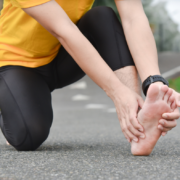
runner holding foot

Why Does It Feel Like I’m Walking on Bones?

Residents in Carrollton love staying active, whether that means jogging the Blue Trail, playing tennis, or taking a weekend stroll through the Elm Fork Nature Preserve. But what happens when your daily walk is suddenly derailed because every step feels like you are walking barefoot on sharp pebbles?

If the bottom of your foot feels bony, bruised, or devoid of natural cushioning, you might be dealing with a frequently misunderstood condition: plantar fat pad atrophy. Carrollton Foot Center explains below.

The Disappearing Cushion: What is Fat Pad Atrophy?

When attempting to diagnose sudden foot pain, most people immediately assume they have pulled a muscle or developed common running injuries.

However, the issue is often structural tissue loss.

The bottoms of your feet are equipped with thick, specialized pads of adipose (fat) tissue located directly beneath your heel bone and the ball of your foot. These pads act as heavy-duty shock absorbers. Unfortunately, this tissue can thin out and degrade over time.

The most common culprits include:

  • Natural Aging: As we get older, collagen production slows down, and the fat pads naturally shrink and shift out of place.
  • High-Impact Repetition: Years of running on hard Texas concrete without adequate support can physically break down the cellular structure of the fat pads.
  • Rapid Weight Loss: With the viral surge of GLP-1 weight loss medications, doctors are seeing a massive spike in “Ozempic Foot.” When you lose body fat rapidly, you also lose the protective fat on the bottom of your feet, instantly exposing your bones to hard impacts.

Misdiagnosing the “Bruised Bone” Sensation

Because the symptoms involve severe discomfort on the bottom of the foot, patients frequently misdiagnose themselves. They assume the sharp, aching sensation is traditional plantar fasciitis or a generalized case of severe heel pain.

The defining difference?

Plantar fasciitis typically causes a sharp, stabbing pain during your first steps in the morning that warms up as you walk.

Fat pad atrophy feels like a deep, localized bone bruise that gets progressively worse the longer you stand or walk.

Why Gel Inserts Are Not Enough

When the internal cushion is gone, your metatarsal bones press directly against your skin and the hard ground. Naturally, the first line of defense is investing in proper footwear with thick, supportive midsoles.

  • While maximalist running shoes and custom orthotics are fantastic for offloading pressure, they are an external fix to an internal problem.
  • They provide a barrier between your shoe and the ground, but they cannot stop your bones from grinding against the bottom of your own skin inside the foot.

The Breakthrough Solution: Internal Restoration

If you want to get back to your regular exercise routine without feeling like you are walking on glass, the ultimate solution is to replace the missing tissue.

Instead of just putting a pad under your foot, modern podiatric science allows us to put the pad back inside your foot.

We achieve this using Leneva fat pad replacement.

  • Leneva is an FDA-cleared, all-natural injectable adipose matrix. Rather than acting as a temporary dermal filler, this advanced treatment creates structural scaffolding under your skin.
  • Once injected into the areas of your foot where the fat has worn away, the Leneva matrix encourages your body’s own cells to repopulate the area, successfully regenerating your natural fat pad.

The procedure is performed right in our Carrollton office, requires no surgery, and provides long-lasting, natural cushioning so you can walk comfortably again.

Reclaim Your Comfort in Carrollton

You do not have to give up your active lifestyle or accept that your feet will just “always hurt.” If you are tired of stacking gel inserts into your shoes just to get through the grocery store, it is time for a permanent solution!

Consult with Board-certified podiatrist Dr. Naghmeh Lilly Khavari, a knowledgeable professional who is dedicated to her patients in Denton, Dallas, and Collin Counties. Dr. Khavari treats a wide range of conditions, from ingrown toenails to foot and ankle injuries. Call Carrollton Foot Center’s office (located in Carrollton, Texas) at (469)-998-3668 to schedule your first appointment today!

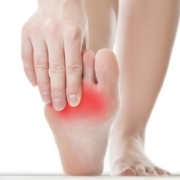
bottom of foot

What Leneva Fat Pad Replacement Can Do for Your Feet

Nature designed the human foot with a brilliant built-in shock absorber: the plantar fat pad. However, due to aging, genetics, or years of high-impact activity, that fat pad can wear away. And when it thins out, it feels like walking directly on bone.

Enter Leneva Fat Pad Replacement. This isn’t just a temporary filler or a cortisone shot, but a regenerative solution designed to literally replace the cushioning tissue that time has taken away. Dr. Naghmeh Lilly Khavari relies on Leneva Fat Pad Replacement to treat a variety of foot problems. Here is how this restoration process works and the specific conditions it treats.

Understanding Fat Pad Replacement

Unlike synthetic fillers used in cosmetic procedures, Leneva is an allograft adipose matrix. Think of it as a natural honeycomb scaffold derived from sterile fat tissue. When placed into the foot, it acts as a framework that produces its own fat cells.

The result is not a foreign object, but a restoration of the patient’s own natural fat pad. It essentially gives the foot a do-over on its natural cushioning.

Treating Fat Pad Atrophy

The primary use for this technology is treating fat pad atrophy. Patients with this condition often describe the sensation of walking on marbles or feeling deep, bruising pain in their heels or the balls of their feet.

By performing a fat pad replacement, the volume is restored. This puts a functional pillow back between the skin and the bone, relieves that bone-on-ground pain, and allows for comfortable walking again.

Eliminating Pressure Points

Fat pad replacement is also a powerful tool for dealing with chronic corns and calluses. These hard spots form because a bone inside the foot is pressing relentlessly against the skin from the inside.

Trimming the skin only helps temporarily because the pressure remains. But Leneva allows for internal offloading. By replacing the fat layer between the bony prominence and the skin, the pressure is dissipated. With the friction gone, the painful corn or callus often stops forming entirely.

Protecting the Diabetic Foot

For people managing diabetes, pressure points are dangerous precursors to ulcers. A specific area of high pressure can cause the skin to break down.

Fat pad replacement creates a protective buffer in these high-risk zones by restoring the cushion. Then, the risk of tissue breakdown is significantly reduced.

Relief for High-Impact Pain

Leneva Fat Pad Replacement is also excellent for pain in the ball of the foot. Whether caused by the anatomy of the foot or years of running, thinning fat in the forefoot causes burning pain. Replacing these pads provides the shock absorption necessary to return to activity without the burn.

Consult with Board-certified podiatrist Dr. Naghmeh Lilly Khavari, a knowledgeable professional who is dedicated to her patients in Denton, Dallas, and Collin Counties. Dr. Khavari treats a wide range of conditions, from ingrown toenails to foot and ankle injuries. Call Carrollton Foot Center’s office (located in Carrollton, Texas) at (469)-998-3668 to schedule your first appointment today!

Is Leneva Fat Pad Replacement For You?

Have you heard the news? Dr. Naghmeh Lilly Khavari of the Carrollton Foot Center offers Leneva Fat Pad Replacement for patients searching for pain relief. The treatment is excellent for people experiencing pain in the ball of their feet from extended wear of high heels. Patients can benefit if they have also been suffering from fat pad atrophy, hammertoesneuromas, and heel pain.

What is Leneva?

Leneva is an all-natural fat supplement that, when injected, adds fat cushioning to pressure points for patients experiencing pain. Eventually, their body begins to fill in the area with their fat cells.

What is fat pad atrophy?

Over time, your body loses collagen. This loss can feel like you have a lot less support while walking. Aging feet is not the only cause of thinning tissue, though. The extended wearing of high heels, running, or even playing sports can impact the bottom of your feet. Without support, it can become painful to walk. In short, fat pad atrophy occurs when the protective cushion around your feet begins to thin.

How long will the treatment last?

Each person has unique feet, so it’s best to consult with a podiatrist about the impact of the treatment. On average, results can last between one and two years.

Is this treatment for me? 

Call our office today and schedule an appointment. Leneva Fat Pad Replacement can help patients experiencing pain from thinning tissue on the bottom of their feet. The service can help patients with the following conditions:

Will there be a long recovery time?

Injectable fillers offer patients a quick solution with minimal downtime. Patients receive the injection in our office and can go home the same day.

Our board-certified podiatrist, Dr. Naghmeh Lilly Khavari, is here to answer additional questions you may have about the procedure. Call us at (469) 998-3668 to learn more about your pain relief options. Our office is at 4221 Medical Parkway, STE 450, in Carrollton, TX.

Call Now ButtonCall Now!