fbpx
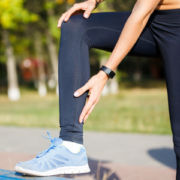
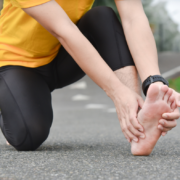
runner holding foot

Why Does It Feel Like I’m Walking on Bones?

Residents in Carrollton love staying active, whether that means jogging the Blue Trail, playing tennis, or taking a weekend stroll through the Elm Fork Nature Preserve. But what happens when your daily walk is suddenly derailed because every step feels like you are walking barefoot on sharp pebbles?

If the bottom of your foot feels bony, bruised, or devoid of natural cushioning, you might be dealing with a frequently misunderstood condition: plantar fat pad atrophy. Carrollton Foot Center explains below.

The Disappearing Cushion: What is Fat Pad Atrophy?

When attempting to diagnose sudden foot pain, most people immediately assume they have pulled a muscle or developed common running injuries.

However, the issue is often structural tissue loss.

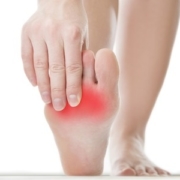
The bottoms of your feet are equipped with thick, specialized pads of adipose (fat) tissue located directly beneath your heel bone and the ball of your foot. These pads act as heavy-duty shock absorbers. Unfortunately, this tissue can thin out and degrade over time.

The most common culprits include:

  • Natural Aging: As we get older, collagen production slows down, and the fat pads naturally shrink and shift out of place.
  • High-Impact Repetition: Years of running on hard Texas concrete without adequate support can physically break down the cellular structure of the fat pads.
  • Rapid Weight Loss: With the viral surge of GLP-1 weight loss medications, doctors are seeing a massive spike in “Ozempic Foot.” When you lose body fat rapidly, you also lose the protective fat on the bottom of your feet, instantly exposing your bones to hard impacts.

Misdiagnosing the “Bruised Bone” Sensation

Because the symptoms involve severe discomfort on the bottom of the foot, patients frequently misdiagnose themselves. They assume the sharp, aching sensation is traditional plantar fasciitis or a generalized case of severe heel pain.

The defining difference?

Plantar fasciitis typically causes a sharp, stabbing pain during your first steps in the morning that warms up as you walk.

Fat pad atrophy feels like a deep, localized bone bruise that gets progressively worse the longer you stand or walk.

Why Gel Inserts Are Not Enough

When the internal cushion is gone, your metatarsal bones press directly against your skin and the hard ground. Naturally, the first line of defense is investing in proper footwear with thick, supportive midsoles.

  • While maximalist running shoes and custom orthotics are fantastic for offloading pressure, they are an external fix to an internal problem.
  • They provide a barrier between your shoe and the ground, but they cannot stop your bones from grinding against the bottom of your own skin inside the foot.

The Breakthrough Solution: Internal Restoration

If you want to get back to your regular exercise routine without feeling like you are walking on glass, the ultimate solution is to replace the missing tissue.

Instead of just putting a pad under your foot, modern podiatric science allows us to put the pad back inside your foot.

We achieve this using Leneva fat pad replacement.

  • Leneva is an FDA-cleared, all-natural injectable adipose matrix. Rather than acting as a temporary dermal filler, this advanced treatment creates structural scaffolding under your skin.
  • Once injected into the areas of your foot where the fat has worn away, the Leneva matrix encourages your body’s own cells to repopulate the area, successfully regenerating your natural fat pad.

The procedure is performed right in our Carrollton office, requires no surgery, and provides long-lasting, natural cushioning so you can walk comfortably again.

Reclaim Your Comfort in Carrollton

You do not have to give up your active lifestyle or accept that your feet will just “always hurt.” If you are tired of stacking gel inserts into your shoes just to get through the grocery store, it is time for a permanent solution!

Consult with Board-certified podiatrist Dr. Naghmeh Lilly Khavari, a knowledgeable professional who is dedicated to her patients in Denton, Dallas, and Collin Counties. Dr. Khavari treats a wide range of conditions, from ingrown toenails to foot and ankle injuries. Call Carrollton Foot Center’s office (located in Carrollton, Texas) at (469)-998-3668 to schedule your first appointment today!

Toe Cramps

Dealing With Toe Cramps

Toe cramps may not be a serious condition, but the effects of it can range from mild annoyance to serious pain that makes walking more difficult. If toe cramps are interfering with your daily life, it’s crucial that you talk to your podiatrist for fast and easy relief. They can help get you back on the right path to being pain-free and help diagnose the root cause of the cramping! Let’s take a look at some of the most common reasons why you might have toe cramps.

Tight or Weak Muscles

There are dozens of tiny muscles in your feet and toes. If one of them becomes too tight or weak, it can lead to muscle spasms, which create pain. Ankle pain and Achilles tendonitis are also known to leave you with toe and foot cramps. New exercise routines, too-tight shoes, sitting for too long, and not stretching before your workout can all lead to muscle tension and weakness.

Ill-Fitting Shoes

High heels, too-tight shoes, or too-loose shoes can put too much pressure on your toes, making way for pain and eventually cramps. Finding shoes in your right size with a wide, spacious toe box is key to eliminating toe cramps.

Dehydration

Dehydration is known to make your muscles feel tight and tense. This tension can easily lead to cramping if you’re dehydrated for an extended period. Ensure you’re drinking enough water throughout the day.

Muscle Injuries

An unhealed injury to your feet, calves, or toes can cause toe cramping and soreness. Sprains, strains, and other injuries to your ligaments typically create pain and tenderness in your toes.

Board-certified podiatrist Dr. Naghmeh Lilly Khavari is committed to helping her clients in Carrollton, TX. She offers a wide variety of treatments from ingrown toenails to advanced surgical solutions. Contact Carrollton Foot Center’s office at 469-998-3668 to schedule an appointment today!

Pain

Pain-Free Feet for The Holidays

The holidays are here! Christmas and New Year’s are a time for joy and celebration. But while you’re spending quality time with loved ones and searching for the perfect gifts, you may be neglecting your feet. A common complaint for people is achy feet around the holidays, since we’re usually up on our feet cooking, shopping, and participating in fun activities. But we have some good news! You can still enjoy your holiday season and keep your feet pain-free by incorporating some easy foot care steps into your routine. Here are our top tips for success!

Take A Foot Bath

After a long day of cooking and entertaining guests, this is exactly the thing your feet will need. Not only do foot baths help with inflammation, foot odor, and sore muscles, but they are super relaxing and the perfect way to destress. Fill your bathtub with lukewarm water up to ankle level, then add Epsom salts, essential oils, or tea bags for added benefits. Soak your feet for around 20 minutes, then dry them completely.

Incorporate Inserts

Arch support helps greatly if you’re on your feet for long periods. Is your favorite pair of shoes not cutting it when it comes to comfort? Look into getting a pair of arch support inserts. Or better yet, custom orthotics. Orthotics can help with a wide range of foot concerns, from arthritis to flatfoot.

Ice Your Feet

Inflammation causes soreness, and soreness is a complete buzzkill during the holiday season. Instead, apply ice to sore feet for 10 minutes each day. You can do this by putting some ice cubes into a towel or plastic bag, or try freezing a water bottle and rolling your feet on it.

If you find your feet are still suffering, it may be a sign of a larger issue at hand. For continuous foot pain, call your podiatrist for help.

Board-certified podiatrist Dr. Naghmeh Lilly Khavari is committed to helping her clients in Carrollton, TX. She offers a wide variety of treatments from ingrown toenails to advanced surgical solutions. Contact Carrollton Foot Center’s office at 469-998-3668 to schedule an appointment today!

Foot Pain and Your Golf Game

August is National Golf Month, so we are making sure you are all set for your next swing. Whether you enjoy golfing as a hobby or competing with other professionals, we know you are dependent on your feet. As you travel from one hole to the next, foot pain is not a part of the plans. There are common foot conditions that can affect your game, but we’re here to make sure you stay steps ahead.

Dr. Naghmeh Lilly Khavari of the Carrollton Foot Center works with a variety of athletes, from basketball players to golfers. Regardless of the sport, support, and shoe style matter. She helps athletes make the best decisions for their feet. The results can help them with the game, too.

Here are three things to do before your next golf game:

Trim your toenails

Long toenails in your golf shoes can cause discomfort and an ingrown toenail. Trim your toenails properly to limit how much they rub against the inside of your shoes. An ingrown toenail occurs when the toenail begins to grow into the side of your skin. If it pierces the skin, there is a risk of infection.

Address foot pain

If you have foot pain, it will seem like the longest walk from one hole to the next. Addressing foot pain now will allow you to perform your best. Simple solutions include getting evaluated for custom orthotics, increasing your shoe size, or allowing your feet to rest. Common foot problems include plantar fasciitis, ingrown toenails, and Achilles tendonitis.

Check your shoes

Your shoe style can make a significant difference with your support. While shopping for golf shoes, take your time. Shop at the end of the day, which is when your feet are at their largest. Ask the sales representative to use a Brannock Device to measure your feet. The device is the best tool for getting an accurate shoe size.

Giving your best on the golf course starts with feeling great from head to toe. We can help with the foot-and-ankle part of your swing. If you have concerns about foot pain and how it can affect your game, contact us today.

Our board-certified podiatrist, Dr. Naghmeh Lilly Khavari, is here to help. She treats a variety of conditions such as bunions, corns, calluses, ingrown toenails, plantar fasciitis, and more. We also offer advanced surgical solutions. Our team provides excellent service to patients in Denton, Dallas, and Collins counties. Contact our office at (469) 998-3668 for your foot and ankle solutions. Our office is at 4221 Medical Parkway, STE 450, in Carrollton, TX.

Signs of Achilles Tendinitis

What do you know about the Achilles tendon? If it’s strained, you may be feeling stiffness, pain, and discomfort. You can feel pain in the morning. You may also notice it more when wearing shoes with a closed back. Dr. Naghmeh Lilly Khavari of the Carrollton Foot Center helps patients with this pain by providing treatment options to get them back to a healthy way of moving. Healing takes time, but making an appointment with a podiatrist is the first step.

What is the Achilles tendon?

The Achilles tendon is the longest and thickest in the body, and you can find it behind each leg. It connects the heel bone to the muscles in your calf and allows you to point your toes or stretch your leg.

What causes Achilles tendinitis?

Athletes commonly have Achilles tendinitis because of overuse or intensity levels. Often, their bodies need time to rest and recover. Poorly fitting shoes or an unhealthy weight can also contribute to an increased risk for an injury. Inflammation causes discomfort. 

What are the symptoms of Achilles Tendinitis?

You can notice pain, tenderness, or stiffness in the following locations:

  • Just above the heel bone
  • Behind the heel bone
  • Back of the leg

What are the treatment options for Achilles Tendinitis?

Before attempting to figure things out on your own, make an appointment with a podiatrist. We’re here to help you find relief and avoid worsening your injury. Before considering surgery, explore the following treatment options:

If a podiatrist determines there has been a rupture of the tendon, surgery is the best option.

Our board-certified podiatrist, Dr. Naghmeh Lilly Khavari, is here to help. She treats various conditions such as bunions, corns, calluses, diabetic foot conditions, ingrown toenails, plantar fasciitis, and more. We also offer advanced surgical solutions. Our team provides excellent service to patients in Denton, Dallas, and Collins counties. Contact our office at (469) 998-3668 for your foot and ankle solutions. Our office is at 4221 Medical Parkway, STE 450, in Carrollton, TX.

Arthritis and Exercise: A Good Solution

When joint pain is at the top of your mind, exercising may seem like the last thing to do. In fact, it is one of the activities that podiatrists recommend. May is Arthritis Awareness Month, and Dr. Naghmeh Lilly Khavari of the Carrollton Foot Center is sharing ways that exercise helps to reduce the discomfort that can come along with arthritis. Get moving this May and see how your new routine helps your condition.

In partnership with your treatment plan, here are some of the benefits:

Stronger muscles around your joints

Ignore the myth that exercise will only make joint pain and stiffness worse. Physical activity helps to strengthen the muscles around your joints. Without movement, the muscles around your joints weaken, which adds more stress. Exercise brings benefits — not more pain. Find the right activity to add to your schedule.

Weight management

Additional weight adds more stress to your joints. Once you’ve spoken with your doctor about an approved workout plan, it’s time to get moving. Maintaining a healthy weight not only helps with joint pain but also your heart health. From head to toe, exercise offers many benefits.

Energy booster

If you’re looking for a mood-booster, you’ll love a great workout. Physical activity also helps with our stamina. We recommend workouts that are low-impact and that allow for gentle movement. If you have pain before an activity, apply heat. For post-activity care, apply ice to reduce swelling. Make your choice wisely by first consulting your doctor.

Find activities outdoors or indoors. Work out alone or in a group. We’re excited to hear how exercise improves your joint pain. Our board-certified podiatrist, Dr. Naghmeh Lilly Khavari, is here to help. She treats various conditions such as bunions, corns, calluses, diabetic foot conditions, ingrown toenails, plantar fasciitis, and more. We also offer advanced surgical solutions. Our team provides excellent service to patients in Denton, Dallas, and Collins counties. Contact our office at (469) 998-3668 for your foot and ankle solutions. Our office is at 4221 Medical Parkway, STE 450, in Carrollton, TX.

Stay Active To Lower Risk of Heart Disease

Did you know that increasing your physical activity is one of the top ways to reduce your risk for heart disease? February is American Heart Month, and Dr. Naghmeh Lilly Khavari of the Carrollton Foot Center knows foot pain is one of the many reasons patients may be holding back from a consistent exercise routine. If you have foot or ankle pain, schedule an appointment today. There are also connections between foot health and heart health.    

What are the benefits of physical activity?

According to the National Heart, Lung, and Blood Institute, regular physical activity reduces the risk of developing common heart disease risk factors.

Here’s how exercise can help:

  • Aid in loss of excess weight
  • Manage stress and improve mental health
  • Lower risk for conditions such as Type 2 diabetes, high blood pressure, and more

Are there different types of physical activity?

Yes, here are a few categories with examples:
  • Aerobic activities
    Running, swimming, and walking
  • Muscle-strengthening activities
    Lifting weights and climbing stairs
  • Bone-strengthening activities
    Jumping rope and lifting weights
  • Stretching
    Doing side stretches and yoga

How can foot pain impact physical activity?
We encourage patients to put their exercise routine on pause if they experience foot or ankle pain. Instead, we recommend that they schedule an appointment with their podiatrist. Here are common foot pain causes:

How can I prevent foot pain?

  • Schedule an appointment with a podiatrist before you begin a new workout
  • Wear the proper footwear, including supports like orthotics
  • Stay hydrated and stretch before and after each workout
  • Ease into physical activity and allow recovery time

We’re here to care for your feet and ankles while you meet your health and wellness goals. At Carrollton Foot Center, our board-certified podiatrist, Dr. Naghmeh Lilly Khavari, treats a various conditions such as bunions, corns, calluses, diabetic foot conditions, ingrown toenails, plantar fasciitis, and more. We also offer advanced surgical solutions. Our team provides excellent service to patients in Denton, Dallas, and Collins Counties. Contact our office at (469) 998-3668 for your foot and ankle solutions. Our office is at 4221 Medical Parkway, STE 450, in Carrollton, TX.

What Is Shockwave Therapy?

Are you tired of chronic pain in your feet and ankles? Dr. Naghmeh Lilly Khavari of the Carrollton Foot Center hopes you’ll make a change this year with Radial Pulse Shockwave Therapy. For patients with chronic pain, this means their body no longer sees the pain as the problem — or recognizes an injury. Your body needs help, and this is where Radial Pulse Shockwave Therapy (RSWT) comes to the rescue. 

How does Radial Pulse Shockwave Therapy work?

Do you remember how the body needs help recognizing injury for patients who suffer from chronic pain? Well, the sound waves used during RSWT create a microtrauma to the area of pain. The process tells the body there is a new injury that needs attention. Once this happens, the body begins the healing process.

How can Radial Pulse Shockwave Therapy help chronic pain?
Patients with the following conditions can benefit from this therapy.

What is different about this treatment?

RSWT is the most advanced non-invasive and highly effective treatment method that improves blood circulation and accelerates the healing process. The goal is to cause damaged tissue to regenerate.

Is Radial Pulse Shockwave Therapy treatment for me?

We’re here to help. Schedule an appointment to learn if RSWT may be the solution for your chronic pain. Start the new year with new treatment options for your discomfort. Our office provides the care and guidance you need to take the next steps forward.

What is the benefit of Radial Pulse Shockwave Therapy?

One of the benefits of this therapy is that patients can avoid surgery. Patients also enjoy knowing the treatment is highly effective without the high costs of surgery.

Are you considering RSWT to treat your chronic pain? We’re here to help you make the decision. At Carrollton Foot Center, our board-certified podiatrist, Dr. Naghmeh Lilly Khavari, treats various conditions such as bunions, corns, calluses, diabetic foot conditions, ingrown toenails, plantar fasciitis, and more. We also offer advanced surgical solutions. Our team provides excellent service to patients in Denton, Dallas, and Collins counties. Contact our office at (469) 998-3668 for your foot and ankle solutions. Our office is at 4221 Medical Parkway, STE 450, in Carrollton, TX.

Is Leneva Fat Pad Replacement For You?

Have you heard the news? Dr. Naghmeh Lilly Khavari of the Carrollton Foot Center offers Leneva Fat Pad Replacement for patients searching for pain relief. The treatment is excellent for people experiencing pain in the ball of their feet from extended wear of high heels. Patients can benefit if they have also been suffering from fat pad atrophy, hammertoes, neuromas, and heel pain.

What is Leneva?

Leneva is an all-natural fat supplement that, when injected, adds fat cushioning to pressure points for patients experiencing pain. Eventually, their body begins to fill in the area with their fat cells.

What is fat pad atrophy?

Over time, your body loses collagen. This loss can feel like you have a lot less support while walking. Aging feet is not the only cause of thinning tissue, though. The extended wearing of high heels, running, or even playing sports can impact the bottom of your feet. Without support, it can become painful to walk. In short, fat pad atrophy occurs when the protective cushion around your feet begins to thin.

How long will the treatment last?

Each person has unique feet, so it’s best to consult with a podiatrist about the impact of the treatment. On average, results can last between one and two years.

Is this treatment for me? 

Call our office today and schedule an appointment. Leneva Fat Pad Replacement can help patients experiencing pain from thinning tissue on the bottom of their feet. The service can help patients with the following conditions:

Will there be a long recovery time?

Injectable fillers offer patients a quick solution with minimal downtime. Patients receive the injection in our office and can go home the same day.

Our board-certified podiatrist, Dr. Naghmeh Lilly Khavari, is here to answer additional questions you may have about the procedure. Call us at (469) 998-3668 to learn more about your pain relief options. Our office is at 4221 Medical Parkway, STE 450, in Carrollton, TX.

Foot Pain is to Blame

What if you could go to bed knowing that the activities you participated in today wouldn’t result in aches and pains to deal with tomorrow? For every 1 in 3 people, there’s someone with an undiagnosed foot or ankle conditions that cause pain and discomfort. Podiatrists like Dr. Lily Khavari find this unsettling and want to do everything in their power to help people feel more comfortable and at ease enjoying their everyday activities. Did you know that unaddressed foot and ankle pain can lead to weight gain and a higher risk of falling? This only leads to a snowball effect of more and more issues to come, like weak ankles or fallen arches, unless it’s addressed and treated by a foot doctor.


A recent study found that 20% of their patients had fallen one or more times within the last 12 months. Those who fell more than once within the last twelve months were much more likely to report experiencing daily aches and pains they thought were simply something they should ‘deal’ with. This is where podiatry teams come in with their favorite mantra: foot pain is not normal! If you’re experiencing foot and ankle pain regularly, and it hasn’t been addressed by a foot doctor, you’re very likely at a higher risk of both gaining excess weight and injuring yourself as a result.


Foot pain understandably makes us less likely to participate in physical activity because of how uncomfortable it is! Similarly, painful feet are much more sensitive and can lead to weakness in the lower extremities when pain is inflicted (such as walking on uneven surfaces), which in turn can lead to falling and hurting yourself further. Don’t let yourself become a part of the statistic! Have your foot and ankle pain addressed at Carrollton Foot Center by calling (469) 998-3668 to set up your consultation.

Call Now ButtonCall Now!