fbpx

Posts

foot injection

Say Goodbye to Chronic Heel Pain with Stem Cell Therapy

Imagine waking up and looking forward to your first step of the day. For many of you suffering from chronic plantar fasciitis, that sounds like a dream. You’ve probably spent months (or years) rolling your foot on a frozen water bottle or wearing those bulky night splints, only to find the discomfort returns the moment you start your day.

Dr. Naghmeh Lilly Khavari feels your pain and wants to tell you about a potential solution that doesn’t include surgery: regenerative stem cell therapy. Let’s unpack how this advanced conservative treatment option takes amniotic fluid (yes, derived from births) to make your feet feel better than ever.

How Amniotic Fluid Heals Plantar Fasciitis

How exactly can a fluid associated with pregnancy help your feet? Amniotic fluid is packed with growth factors, cytokines, and hyaluronic acid. When these are injected into your damaged plantar fascia, they signal your body to reduce inflammation and actually rebuild the degenerated tissue.

This is a regenerative approach that focuses on long-term structural repair. And, because the fluid is ethically collected from consenting donors during scheduled C-sections, it is a safe and highly concentrated serum designed by nature to support rapid tissue growth.

Stem Cell Therapy is Non-Invasive

One of the biggest reasons you might prefer amniotic fluid over other regenerative therapies is the lack of a second procedure site.

In older versions of stem cell therapy, a doctor would have to drill into your hip bone or perform a mini liposuction to get the cells they needed. With amniotic fluid injections, that entire painful step is eliminated. The fluid arrives at our clinic in a sterile, concentrated vial, ready for use.

What to Expect During Your Stem Cell Injection Procedure

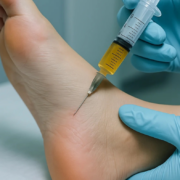
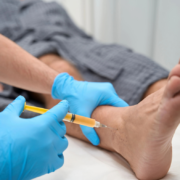
The actual process is incredibly straightforward and usually takes less than fifteen minutes. Dr. Khavari will use an ultrasound machine to get a clear view of the damaged area in your heel, and once the exact spot is identified, the amniotic fluid is injected directly into the site of the injury.

Most of you will feel nothing more than a quick pinch and a bit of pressure. And because there is no major surgery involved, you can typically walk right out of the office and head home.

Recovery from Stem Cell Therapy for Heel Pain

While you won’t see an overnight miracle, the internal changes start happening immediately. You might experience some mild soreness for a few days as your body reacts to the new growth factors, but this is a normal part of the regenerative process!

Over the next four to six weeks, you’ll likely notice a huge reduction in your daily pain levels. Most patients in 2026 report that the chronic, dull ache of plantar fasciitis begins to fade as the tissue becomes stronger and more flexible.

If that recovery outlook for stem cell therapy sounds promising to you, we’d love to hear from you!

Consult with Board-certified podiatrist Dr. Naghmeh Lilly Khavari, a knowledgeable professional who is dedicated to her patients in Denton, Dallas, and Collin Counties. Dr. Khavari treats a wide range of conditions, from ingrown toenails to foot and ankle injuries. Call Carrollton Foot Center’s office (located in Carrollton, Texas) at (469)-998-3668 to schedule your first appointment today!
5 Foot Signs That Usually Don’t Mean Heart Trouble

During American Heart Month, it’s typical to read a lot of fear-mongering misinformation online and get scared. However, we at  Carrollton Foot Center are here to set the heart’s record straight. If you notice any of these signs in your feet, your cardiovascular system is most likely fine, contrary to what you might have thought.

1. Burning or Tingling in One Foot

While poor circulation can cause a dull ache, a sharp burning sensation in your feet, especially if it’s only in one foot, is rarely a heart issue. Instead, this usually points to a nerve problem. You might have a pinched nerve in your back (sciatica) or a localized issue like Morton’s neuroma, which is a thickening of the tissue around the nerves leading to your toes. If it feels like an electric shock, it’s likely a nerve, not a heart problem.

2. Cold Feet Only After It Rains or Snows

If your feet are icy cold 24/7, even in a warm room, you might check your circulation. But if your feet only feel cold after you’ve been out in the slush, it’s likely an environmental or footwear issue. Many waterproof boots lose their seal over time. If moisture is getting in, your feet will freeze regardless of how strong your heart is. If they warm up quickly once you’re inside, your heart is doing its job just fine.

3. A Painful Knot in Your Arch

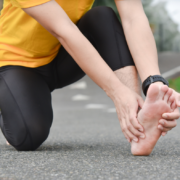
If you feel a sharp pain in your arch the second you step out of bed, your mind might jump to a blood clot or arterial blockage. However, this is the classic signature of plantar fasciitis.

This is a mechanical issue where the thick band of tissue supporting your arch becomes inflamed. It’s about how you walk and the shoes you wear, not how your heart is pumping.

4. Swelling in Only One Ankle

We often hear that swollen ankles mean heart failure. However, heart-related swelling is almost always bilateral, meaning it happens in both feet at the same time.

If only your left ankle is puffy while your right one looks normal, you are likely looking at a local issue like a minor sprain, a bug bite, or a localized vein problem rather than a failing heart.

5. Sudden Yellowing of the Toenails

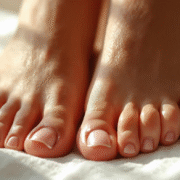
If your toenails are turning yellow and getting thick, you might worry about oxygen levels. In reality, 90% of the time, this is simply a fungal infection.

Fungus loves the damp environment of winter boots. While it’s a nuisance, it’s a localized skin and nail issue, not a sign that your heart is struggling to deliver nutrients.

Always check with a trusted podiatrist to be 100% sure!

Consult with Board-certified podiatrist Dr. Naghmeh Lilly Khavari, a knowledgeable professional who is dedicated to her patients in Denton, Dallas, and Collin Counties. Dr. Khavari treats a wide range of conditions, from ingrown toenails to foot and ankle injuries. Call Carrollton Foot Center’s office (located in Carrollton, Texas) at (469)-998-3668 to schedule your first appointment today!

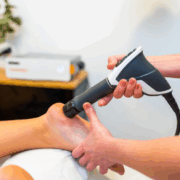
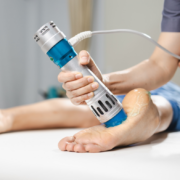
Someone performing shockwave therapy on a foot as a person is laying down

Debunking Common Myths About Shockwave Therapy

If you’ve been battling persistent foot or ankle pain that just won’t quit, you might have heard about Radial Pulse Shockwave Therapy. We at Carrollton Foot Center swear by it for the treatment of many foot and ankle conditions. But as with any innovative medical technology, there tend to be a lot of misconceptions. So in this article, we’re giving you our honest insight into how shockwave therapy actually works. What’s true and not true? Keep reading to find out.

Myth 1: RSWT is a Painful and Invasive Procedure

This is a common concern, but RSWT is actually a minimally invasive, in-office procedure. The treatment uses a small device to send harmless, low-energy waves to your skin. While patients typically feel a brief, quick pulsing or tapping sensation, the discomfort is generally well-tolerated and short-lived. There is no need for anesthesia, no incisions, and no downtime. You can walk out of the office and go on about your day.

Myth 2: RSWT is Just a “Freeze” Treatment or Basic Ultrasound

RSWT is completely different from cryotherapy and ultrasound. Cryotherapy relies on extreme cold to numb and reduce inflammation, whereas ultrasound uses sound waves to create heat deep within the tissues.

Shockwave therapy, however, uses radial pressure waves to stimulate a natural healing response in the body. How? By increasing blood circulation, breaking up scar tissue, and essentially resetting the healing process in chronic conditions that have stalled.

Myth 3: You Only Need One Session to Be Cured

Radial Pulse Shockwave Therapy is not a one-and-done solution. A series of treatments (typically 3-5 sessions, spaced a week apart) is standard protocol for most chronic conditions.

While you might feel some relief after the first session, the cumulative effect of the treatments is what truly drives long-term healing.

Myth 4: RSWT is Only for Heel Pain

While RSWT is known for fighting against plantar fasciitis, its use is much broader. In fact, it’s effective for various chronic soft tissue injuries like Achilles tendonitis, shin splints, and even pain from Morton’s neuroma. Any condition rooted in chronic inflammation, scar tissue, or poor blood flow can potentially benefit from RSWT.

Myth 5: RSWT is a Miracle Cure for Everyone

But despite this versatile range of conditions, shockwave therapy isn’t for everyone. Plus, no medical treatment can offer a 100% guarantee for every single patient. Its success depends on many factors, including your overall health, the severity and duration of your injury, and how well you follow post-treatment care.

Consult with Board-certified podiatrist Dr. Naghmeh Lilly Khavari, a knowledgeable professional who is dedicated to her patients in Denton, Dallas, and Collin Counties. Dr. Khavari treats a wide range of conditions, from ingrown toenails to foot and ankle injuries. Call Carrollton Foot Center’s office (located in Carrollton, Texas) at (469)-998-3668 to schedule your first appointment today!
Cycling and Your Foot and Ankle Health

Did you know that May is National Cycling Month? Before you get out there on your bike, we at Carrollton Foot Center want to inform you of the upsides and downsides of cycling. In this article, we’ll stroll through the surprising relationship between your feet and this low-impact exercise, including the potential injuries you can sustain that most beginner cyclists don’t know about.

How Cycling Can Benefit Your Feet

One of the primary benefits of cycling for the lower extremities is improved circulation. The rhythmic pedaling action helps to pump blood through the muscles of your legs and feet. This can be advantageous for diabetics, people with ankle swelling, or those who spend long hours standing.

Since the circular motion of pedaling encourages a fluid movement in the ankle, cycling can also contribute to an increased range of motion in the ankle joint. While not as extensive as the range of motion during walking or running, this movement can be beneficial for overall joint health.

Many people think cycling is just for the thighs and glutes, however, cycling can indirectly strengthen the muscles surrounding the ankles and feet as they work to stabilize your position on the pedals.

Negative Impacts of Cycling on Your Feet

Despite its low-impact nature, cycling can negatively affect the feet and ankles if proper precautions aren’t taken. The repetitive motion of pedaling (while generally smooth) can lead to overuse injuries if training intensity or duration is increased too quickly.

Do you have neurological issues? While cycling can improve circulation, beware of certain pressure points from the pedals and tight-fitting cycling shoes. Both can compress nerves and blood vessels in the feet, which may not be a good match for these sensitive areas.

For everyone involved, improperly fitted cleats or an incorrect bike setup can also force the feet and ankles into unnatural positions and cause strain.

Common Foot and Ankle Injuries in Cycling

If you’re a cyclist, you should also look out for these common conditions:

  • Metatarsalgia: Pain and inflammation in the ball of the foot due to pressure on the metatarsals.
  • Achilles tendonitis: Inflammation of the Achilles tendon, often linked to improper saddle height or cleat position.
  • Plantar fasciitis: Heel pain that can be aggravated by excessive pedaling or improper foot support within the shoe.
  • Sesamoiditis: Inflammation of the small bones under the big toe joint, potentially caused by increased pressure during the pedal stroke.

Cycling and Your Feet

So, what’s the verdict? It depends on your lifestyle and preexisting foot and ankle health status. However, for non-sensitive people who take the proper steps to cycle safely, this is still a relatively low-impact exercise compared to running.

Consult with Board-certified podiatrist Dr. Naghmeh Lilly Khavari, a knowledgeable professional who is dedicated to her patients in Denton, Dallas, and Collins Counties. Dr. Khavari treats a wide range of conditions, from ingrown toenails to foot and ankle injuries. Call Carrollton Foot Center’s office (located in Carrollton, Texas) at (469)-998-3668 to schedule your first appointment today!
Fouling Out: 5 Game-Stopping Basketball Foot Injuries

The NBA finals are here, which means summer leagues, AAU, and intense training sessions are upon us. We at Carrollton Foot Center understand that basketball is a fast-paced sport that demands a lot from your feet all year round.

Whether you’re a seasoned player or just starting out, learning common basketball foot injuries and proper foot care is essential for staying healthy and hitting those jumpers this summer. That’s what this blog’s about.

Common Basketball Foot Injuries

The constant jumping, stopping, and changing directions on the court carries a risk for various injuries:

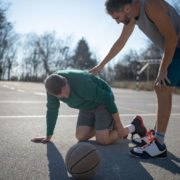
  • Ankle Sprains: This is perhaps the most common basketball injury, occurring when the ligaments in your ankle overstretch or tear. It can happen due to landing awkwardly, stepping on someone’s foot, or rolling your ankle outwards. Symptoms include pain, swelling, bruising, and difficulty walking.
  • Plantar Fasciitis: This painful inflammation of the heel is often linked to repetitive stress from activities like basketball.
  • Achilles Tendonitis: Even legends such as Kobe Bryant have experienced issues with their Achilles. Overuse or tight calf muscles can irritate this tendon, causing pain and stiffness, particularly in the back of your heel and ankle.
  • Stress Fractures: These tiny cracks in the bones of your foot can develop from repetitive stress, especially in athletes who increase their training intensity too quickly.
  • Ingrown Toenails: Tight-fitting basketball shoes can put pressure on your toes, increasing the risk of ingrown toenails that dig into the surrounding skin, causing pain, redness, and swelling.

Essential Foot Care for Basketball Players

  • Invest in high-quality basketball shoes that provide adequate support, cushioning, and stability for your feet. Choose shoes specific to your playing position.
  • Regularly consulting a podiatrist can be highly beneficial, especially for athletes. They can assess your feet, identify potential problems early on, and recommend orthotics or other preventative measures.

By incorporating proper foot care practices into your routine, you can significantly reduce your risk of injuries and keep your feet healthy for optimal performance.

Consult with Board-certified podiatrist Dr. Naghmeh Lilly Khavari, a well-respected expert who is eager to assist her patients in Denton, Dallas, and Collins Counties. She treats a vast array of issues, from ingrown toenails to plantar fasciitis. Call Carrollton Foot Center’s office (located in Carrollton, Texas) at (469)-998-3668 to book your initial consultation today!

Barefoot Running: The Pleasure and the Pain

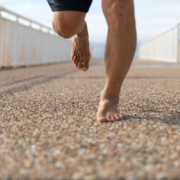
With the foot pain many of us experience from running, it’s tempting to turn to the Barefoot Running Movement for answers! However, according to the American Podiatric Medical Association, the benefits of barefoot running have never been confirmed by research. Although the movement touts upsides such as improved circulation, coordination, and strength, you should speak with our experts at Carrollton Foot Center to ensure barefoot running will be safe and effective for you.

Bare Feet Vs. Regular Shoes

According to the Barefoot Running Movement, humans have been running barefoot since ancient times. Shoes, however, are a recent creation that stunts the way you are naturally designed to move. This notion that regular running shoes are unnatural may make sense to you if your feet hurt while running. This may also explain the success of “minimalist” or “five-toed” shoes. In between bare feet and regular running kicks, minimalist shoes act as a compromise to the pros and cons of pure barefoot running.

Benefits of Barefoot Running:

  • Encourages a more natural running This can help reduce impact on your joints, shorten your strides, and increase athletic performance.
  • Promotes landing on the ball of your feet as opposed to “heel striking,” reducing the chance of injury and plantar fasciitis.
  • Strengthens the muscles in your foot that aren’t usually engaged in regular shoes. Progressively, this could correct flat feet and similar arch problems.

Downsides of Barefoot Running:

  • Increases risk of infection and skin injury. This is especially the case for diabetics, who may not have proper feeling in their feet.
  • Takes time getting acclimated to the “natural” running form. Acclimation struggles also extend to not having access to clean or safe terrain.
  • Heightens the chance of stress fractures and Achilles injuries. This is due to lack of foot support.

Ultimately, it is necessary to weigh both sides to see if barefoot running is right for you. Consult with Board-certified podiatrist Dr. Naghmeh Lilly Khavari, a well respected expert who is eager to assist her patients in Denton, Dallas, and Collins Counties. She treats a vast array of issues, from ingrown toenails to plantar fasciitis. Call Carrollton Foot Center’s office (located in Carrollton, Texas) at (469)-998-3668 to book your initial consultation today!

Hitting the Pavement Without the Pain: How Runners Can Conquer Heel Pain

Carrolton Foot Center is all in favor of regular running! It’s an incredibly beneficial form of exercise that delivers consistent benefits, boosting both physical and mental well-being. However, there’s no such thing as a free lunch, and running is no exception.

Heel pain and Achilles tendonitis are among the common costs runners must confront, and like any podiatric problem, they create serious stumbling blocks when left untreated. The blog below should help you stay fit, flexible, and focused on your goals.

Preventing Heel Pain with a Strong Foundation

You can keep heel pain from starting with some of these preventative measures.

  • Supportive Shoes: Invest in well-fitting running shoes with proper arch support and cushioning specifically designed for your running style. Replace them every 300-500 miles to maintain optimal shock absorption.
  • Stretch It Out: Regularly performing calf stretches and foot mobilizations helps maintain flexibility and range of motion, reducing stress on the heel.
  • Gradual Progression: Don’t jump into high mileage or intense training too quickly. Gradually increase distance and intensity to allow your body to adapt and strengthen.
  • Cross-Training: Mix up your routine with low-impact activities like swimming or cycling to provide recovery periods for your heels.

Managing Heel Pain: When Prevention Isn’t Enough

Sometimes, you’ll need to handle pain that’s already present, and RICE (Rest, Ice, Compression, and Elevation) isn’t always enough.

  • Custom Orthotics: Podiatrists can create custom orthotic inserts that address your specific biomechanical imbalances, providing targeted support and pressure relief to prevent conditions like plantar fasciitis and overpronation.
  • Pain Relief Options: Over-the-counter pain relievers can help manage discomfort.

Treating Persistent Heel Pain: Advanced Strategies

If pain persists despite conservative measures, your podiatrist may recommend:

  • Leneva® Fat Pad Injections: These injections replenish lost cushioning in the heel pad, promoting pain relief and tissue healing, which is particularly helpful for plantar fasciitis.

Board-certified podiatrist Dr. Naghmeh Lilly Khavari is committed to helping patients in Carrollton, TX. With advanced treatment methods, she offers assistance with everything from ingrown toenails to sophisticated surgical solutions. Contact Carrollton Foot Center’s office at 469-998-3668 to schedule an appointment today!

Custom Orthotics Cater to Feet of All Ages

Sometimes, we all need a little extra support to function. And when it comes to your feet, that’s especially true! Tired arches and aching heels don’t usually mend themselves, and leaving problems untreated can lead to further complications. This holds true for both our youngest patients and the senior citizens that we treat at Carrollton Foot Center.

In many cases, conservative interventions can make all the difference. That’s where custom orthotics come in, offering personalized solutions for both children and adults. Take a look at the information below to find out what these sole savers can do for you!

Growing Strong: Orthotics for Developing Feet

  • Children’s feet are constantly growing and evolving, and sometimes, that growth can lead to misalignments like flat feet or high arches.
  • Custom orthotics, crafted to mold perfectly to a child’s unique foot shape, can promote proper development, guiding growing bones into correct alignment while reducing the risk of long-term problems like hip and knee pain.
  • Early intervention with orthotics can address issues like heel pain and ingrown toenails, improving a child’s overall comfort and participation in activities.
  • By providing stability and support, orthotics can improve balance, coordination, and endurance, giving young athletes a boost in their chosen sports.

Stepping Ahead: Orthotics for Adult Feet

  • Whether it’s plantar fasciitis, arthritis, or simply tired feet, orthotics can redistribute pressure and provide cushioning, leading to pain relief and improved mobility.
  • Orthotics can address problems like foot pronation or supination, preventing further damage and improving overall posture and gait.
  • For individuals with diabetes or neurological issues, orthotics can play a crucial role in preventing foot ulcers and promoting wound healing.

Customized for You

  • Unlike the one-size-fits-all approach of over-the-counter inserts, custom orthotics are made specifically for each individual’s foot.
  • The precise fit minimizes pressure points, providing targeted support exactly where it’s needed.
  • High-quality materials ensure your orthotics withstand the demands of daily life.
  • With proper care, custom orthotics can offer years of improved foot health and comfort.

Wondering if orthotics are right for you? Come ask board-certified podiatrist Dr. Naghmeh Lilly Khavari! Committed to helping all her clients in Carrollton, TX, she offers a wide variety of treatments, from ingrown toenails to advanced surgical solutionsContact Carrollton Foot Center’s office at 469-998-3668 to schedule an appointment today!

Shockingly Effective: Non-Invasive RSWT Nixes Nasty Heel Pain

Heel pain can derail your day, and unfortunately, it can also be a stubbornly persistent problem. Typically caused by weakened or strained plantar fascia, untreated heel pain can spiral into further complications and become intensely painful.

At Carrollton Foot Center, many of our patients have active lifestyles, so they’re eager to return to their normal daily activities. And because we utilize the latest in advanced medical technology, we often recommend RSWT, or Radial Pulse Shockwave Therapy, to help repair your heels and get your routine back to normal.

This post is devoted to explaining the ins and outs of RSWT, covering what it can treat, how it works, and why it might just be the perfect choice for your aching heels!

What is RSWT?

Radial Pulse Shockwave Therapy may be sophisticated technology, but in some ways it’s simple:

  • This FDA-approved method has been shown to speed up the rate of recovery for soft tissue tendinopathy and related conditions.
  • Of all the non-invasive, conservative treatments available, it is the most advanced.
  • It uses sound waves to trigger your body’s natural healing response.

What Can It Treat?

RSWT can be a great option for treating a variety of issues, but most of them pertain directly to soft tissue dysfunction or similar problems, such as:

How Does it Work?

Chronic pain can trick your response systems; if it endures long enough, it will cause your body to stop recognizing that there is an injury in the afflicted region. Once this occurs, the healing process is halted, but the pain will remain. That’s when RSWT really comes in handy:

  • Ballistic sound waves penetrate deeply into the soft tissue and cause a minor inflammatory issue in the chosen area.
  • The soundwaves and inflammation reactivate your body’s natural healing process.
  • Additionally, energy emissions cause the cells in surrounding tissue to exude biochemical substances that empower your boy’s healing capabilities.
  • Said biochemical substances enable the construction of new blood vessels and soft tissue as needed.

When it comes to innovation, Dr. Naghmeh Lilly Khavari is always raising the bar in Carrollton, TX. She offers a variety of treatments, from conservative interventions to advanced surgical solutions. Contact our office at 469-998-3668 to schedule an appointment today!

Is Your Heel Pain Plantar Fasciitis?

Heel pain often goes hand-in-hand with the arch pain you get from plantar fasciitis. If this is the case for you, you’re not alone. Plantar fasciitis is one of the most common conditions podiatrists diagnose. How can you tell if your heel pain is simply due to a tough morning run or the beginning of something more serious? Let’s take a closer look.

Signs and Symptoms

The first and most common sign you have plantar fasciitis is a stabbing pain in the bottom of your foot, typically near your heel. This pain usually is worse first thing in the morning or after a period of overactivity. You may also experience stiffness, swelling, and tightness in your foot and heel.

What Causes Plantar Fasciitis?

Most patients develop this condition due to:
  • Inadequate arch support. Wearing incorrectly sized shoes with little support (like flip flops or high heels) can wear your muscles down over time.
  • Carrying more weight. Your extra weight is multiplied fourfold in your feet and ankles, increasing the stress and pressure on the arches.
  • Repetitive stress injury. Dancers, professional athletes, and people on their feet all day for work are more likely to develop injuries to the plantar fascia and other foot and ankle problems.

What Are Your Options?

First and foremost, call your podiatrist. Foot pain is not normal and shouldn’t be ignored. Your foot doctor will be able to diagnose and treat you. In the meantime, here are some other treatment options that you can try at home:

  • I.C.E. treatment – Rest, Ice, Compression, and Elevation
  • A wide variety of physical therapy exercises for the calf muscles and Achilles tendon can help improve arch and foot alignment and prevent pain and discomfort.
  • Always wear properly fitted shoes with the proper arch support to treat existing arch problems and prevent arch problems from starting in the first place.

Board-certified podiatrist Dr. Naghmeh Lilly Khavari is committed to helping her clients in Carrollton, TX. She offers a wide variety of treatments, from ingrown toenails to advanced surgical solutions. Contact Carrollton Foot Center’s office at 469-998-3668 to schedule an appointment today!

Call Now ButtonCall Now!