
fbpx

Posts

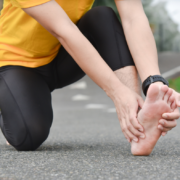
runner holding foot

Why Does It Feel Like I’m Walking on Bones?

Residents in Carrollton love staying active, whether that means jogging the Blue Trail, playing tennis, or taking a weekend stroll through the Elm Fork Nature Preserve. But what happens when your daily walk is suddenly derailed because every step feels like you are walking barefoot on sharp pebbles?

If the bottom of your foot feels bony, bruised, or devoid of natural cushioning, you might be dealing with a frequently misunderstood condition: plantar fat pad atrophy. Carrollton Foot Center explains below.

The Disappearing Cushion: What is Fat Pad Atrophy?

When attempting to diagnose sudden foot pain, most people immediately assume they have pulled a muscle or developed common running injuries.

However, the issue is often structural tissue loss.

The bottoms of your feet are equipped with thick, specialized pads of adipose (fat) tissue located directly beneath your heel bone and the ball of your foot. These pads act as heavy-duty shock absorbers. Unfortunately, this tissue can thin out and degrade over time.

The most common culprits include:

  • Natural Aging: As we get older, collagen production slows down, and the fat pads naturally shrink and shift out of place.
  • High-Impact Repetition: Years of running on hard Texas concrete without adequate support can physically break down the cellular structure of the fat pads.
  • Rapid Weight Loss: With the viral surge of GLP-1 weight loss medications, doctors are seeing a massive spike in “Ozempic Foot.” When you lose body fat rapidly, you also lose the protective fat on the bottom of your feet, instantly exposing your bones to hard impacts.

Misdiagnosing the “Bruised Bone” Sensation

Because the symptoms involve severe discomfort on the bottom of the foot, patients frequently misdiagnose themselves. They assume the sharp, aching sensation is traditional plantar fasciitis or a generalized case of severe heel pain.

The defining difference?

Plantar fasciitis typically causes a sharp, stabbing pain during your first steps in the morning that warms up as you walk.

Fat pad atrophy feels like a deep, localized bone bruise that gets progressively worse the longer you stand or walk.

Why Gel Inserts Are Not Enough

When the internal cushion is gone, your metatarsal bones press directly against your skin and the hard ground. Naturally, the first line of defense is investing in proper footwear with thick, supportive midsoles.

  • While maximalist running shoes and custom orthotics are fantastic for offloading pressure, they are an external fix to an internal problem.
  • They provide a barrier between your shoe and the ground, but they cannot stop your bones from grinding against the bottom of your own skin inside the foot.

The Breakthrough Solution: Internal Restoration

If you want to get back to your regular exercise routine without feeling like you are walking on glass, the ultimate solution is to replace the missing tissue.

Instead of just putting a pad under your foot, modern podiatric science allows us to put the pad back inside your foot.

We achieve this using Leneva fat pad replacement.

  • Leneva is an FDA-cleared, all-natural injectable adipose matrix. Rather than acting as a temporary dermal filler, this advanced treatment creates structural scaffolding under your skin.
  • Once injected into the areas of your foot where the fat has worn away, the Leneva matrix encourages your body’s own cells to repopulate the area, successfully regenerating your natural fat pad.

The procedure is performed right in our Carrollton office, requires no surgery, and provides long-lasting, natural cushioning so you can walk comfortably again.

Reclaim Your Comfort in Carrollton

You do not have to give up your active lifestyle or accept that your feet will just “always hurt.” If you are tired of stacking gel inserts into your shoes just to get through the grocery store, it is time for a permanent solution!

Consult with Board-certified podiatrist Dr. Naghmeh Lilly Khavari, a knowledgeable professional who is dedicated to her patients in Denton, Dallas, and Collin Counties. Dr. Khavari treats a wide range of conditions, from ingrown toenails to foot and ankle injuries. Call Carrollton Foot Center’s office (located in Carrollton, Texas) at (469)-998-3668 to schedule your first appointment today!
5 Subtle Warning Signs of Foot Conditions You Shouldn’t Ignore

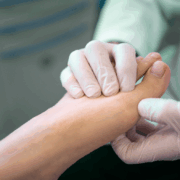
If we at Carrollton Foot Center know one thing about feet, it’s that they are great barometers of our health. But while a dramatic ankle sprain or a painful ingrown toenail sends a clear message, many foot and ankle conditions begin with subtle, easily missed warning signs. In this blog post, we’ll help you tune your ear to your feet and listen to specific symptoms you shouldn’t dismiss.

That Lingering Ache

If your feet and ankles consistently ache after a normal day of activity, don’t just chalk it up to a long day or being on your feet. A lingering, dull pain that doesn’t disappear with a night’s rest could be an early signal of plantar fasciitis, a stress fracture, or even developing arthritis. While muscle soreness is normal, a sharp or specific ache in a joint or bone is a sign that a particular structure is under too much stress and needs attention.

Numbness and Tingling

A sudden tingling or numbness in your feet is often just a temporary nerve compression from sitting in an awkward position. But if you experience persistent or recurring sensations like pins and needles, or if your feet feel numb without an obvious cause, it’s a definite red flag.

These sensations can be an early sign of peripheral neuropathy, which is a common complication of diabetes. It can also be a symptom of a pinched nerve in your back, or a condition like tarsal tunnel syndrome in your ankle, where a nerve is being compressed. While these aren’t guarantees, it’s important to get them checked sooner rather than later.

Skin, Nail, and Hair Changes

If you notice your feet are consistently cool to the touch, or if the skin on your legs and feet appears unusually shiny, pale, or bluish, it could be a sign of Peripheral Artery Disease and poor circulation.

Similarly, thinning or hair loss on your toes, or toenails that are growing very slowly and have become brittle or discolored, can also be signs that your feet aren’t getting the healthy blood flow they need.

Uneven Shoe Wear

Take a look at the soles of your shoes. If one shoe is wearing down much faster than the other, or if a specific part of the sole is wearing down excessively, it’s a strong indicator of a gait abnormality. This means you might be walking in a way that puts abnormal stress on your feet. And no, not all walking issues are apparent! Biomechanical problems can be subtle, and they’re not just a shoe issue; they need correction, or else they can lead to secondary injuries.

Recurrent Ankle Instability

Believe it or not, that’s exactly what it’s called: chronic ankle instability. If you’ve had a bad ankle sprain in the past and always feel like you’re on the verge of another one, that’s a clear sign of chronic ankle instability. This isn’t just a weakness; it means the ligaments literally haven’t healed properly.

Consult with Board-certified podiatrist Dr. Naghmeh Lilly Khavari, a knowledgeable professional who is dedicated to her patients in Denton, Dallas, and Collin Counties. Dr. Khavari treats a wide range of conditions, from ingrown toenails to foot and ankle injuries. Call Carrollton Foot Center’s office (located in Carrollton, Texas) at (469)-998-3668 to schedule your first appointment today!
Haglund’s Deformity: Debunking the Bony Bump

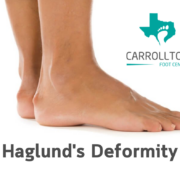
What is that odd-looking bump near the back of your heel? It could be Haglund’s deformity, often referred to as “pump bump,” which is a bony enlargement located where the Achilles tendon attaches. This prominent bone can cause significant discomfort and irritation, especially when wearing shoes.

Luckily, we at Carrollton Foot Center are here to debunk the bony bump and offer expert insight into all things Haglund’s Deformity. Let’s take a look.

Causes of Haglund’s Deformity

While the exact cause is often unclear, several factors contribute to the development of Haglund’s Deformity. These include:

  • Foot structure: Individuals with high arches or flat feet may be more susceptible.
  • Shoe gear: Wearing shoes with rigid backs, such as high heels or tight-fitting footwear, can exacerbate the condition.
  • Overuse: Repetitive activities that put stress on the heel, like running or dancing, may contribute to the bony growth.
  • Achilles tendon tightness: A stiff Achilles tendon can pull on the heel bone, contributing to the deformity.

Symptoms of Haglund’s Deformity

Individuals with Haglund’s deformity often experience pain and inflammation at the back of the heel, which can worsen with shoe friction. The affected area may also become red, swollen, or blistered.

Prevention

While there’s no guaranteed way to prevent Haglund’s deformity, certain measures can help reduce the risk:

  • Proper footwear: Choose shoes that fit well and provide adequate cushioning. Avoid tight-fitting shoes or those with hard backs, and regularly replace worn out shoes.
  • Stretching exercises: Incorporate calf stretches into your daily routine to maintain flexibility.
  • Orthotics: Custom orthotics can help distribute pressure and alleviate discomfort.
  • Weight management: Maintaining a healthy weight can reduce overall stress on the foot and heel.

Treatment

Treatment for Haglund’s deformity focuses on pain relief and inflammation reduction. Non-surgical options include over-the-counter pain relievers, shoe modifications, and physical therapy. For severe cases, cortisone injections or surgery may be considered.

Depending on the severity of your bump, consult with your podiatrist to see which treatment option is the best for you.

Board-certified podiatrist Dr. Naghmeh Lilly Khavari is dedicated to her clients in Carrollton, TX. From ingrown toenails to innovative surgical solutions, she offers a vast array of treatments. Contact Carrollton Foot Center’s office at 469-998-3668 to book an appointment now!

How To Find Your Correct Shoe Size

Having your feet measured professionally is a good idea when shopping for shoes. As we age, our feet grow when the tendons and ligaments lose elasticity. The results are that the toes spread out, the arch flattens, and the feet become longer and wider.

Using The Brannock Device

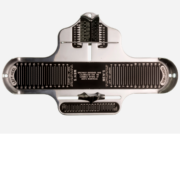
This strange-looking metal device used to measure your feet in shoe stores is called a Brannock Device. It has been in use for almost 100 years!

Charles F. Brannock came from a shoe industry family and wanted an improved means of measuring the length and width of your feet and the height of the arch. The foot-measuring device that we know today as the Brannock device gives accurate measurements of both right and left feet and is the international footwear industry standard.

There are models for men’s shoe sizing, women’s and children’s, and specialized types for athletic shoes and ski boots. Even the Smithsonian Institution recognizes its contribution to the American industry and houses samples of some of the first Brannock devices.

Getting the Right Shoe Fit Is Important

Studies show that only about 37% of people wear shoes of the correct length and width! Are you one of them? Wearing shoes that are too short, too narrow, or too tight can cause some significant foot problems, including:

  • Neuropathy: Pins and needles in the feet and decreased sensation can be caused by tight-fitting shoes that put pressure on the nerves.
  • Hammertoe: Shoes that are too narrow in the toe box can force toes to bend unnaturally into the hammertoe shape. Besides being painful, the skin of the hammertoe can have corns and calluses from footwear pressure against bony spots.
  • Ingrown toenails: Pressure on the toe from poorly fitting shoes can force the edge of a toenail to grow into the skin and become infected.
  • Bunion: Although tight shoes won’t cause a painful bunion, they can worsen it by pushing the big toe.

Foot pain from poorly-fitting shoes can also cause mobility issues and falls. Play it safe – measure both feet at least twice yearly for foot comfort and safety.

Board-certified podiatrist Dr. Naghmeh Lilly Khavari is committed to helping her clients in Carrollton, TX. She offers a wide variety of treatments, from ingrown toenails to advanced surgical solutions. Contact Carrollton Foot Center’s office at 469-998-3668 to schedule an appointment today!

Back to School Homework

The Back to School Season is here, so that means we have some preparation homework to complete. Before your kids begin classes — online or in-person — there are a few things to consider. School supplies, of course, but what about your child’s shoes? Dr. Naghmeh Lilly Khavari of the Carrollton Foot Center is here to remind you of a few more to-do items so your child is prepared for the first day.

Verify the size

It might be time for another pair of shoes. Children’s feet grow quickly, but it can be easy to assume they are still wearing the same size. It is especially true if you don’t hear complaints. Depending on the age, a child may give you other signs, including skipping over a certain pair of shoes or no longer doing the activities they enjoy. To avoid guessing, have your child’s feet measured properly.

Check for a full recovery

If your child had an injury recently, schedule an appointment with our office so we can confirm a full recovery. Returning to running, jumping, or walking in the wrong shoes can cause a reinjury. Pay attention to how your child moves throughout the day. Look for hesitation or signs of discomfort. Don’t ignore these signs.

Ask about orthotics

Custom orthotics are devices used to help fix foot and ankle conditions. For children, orthotics are helpful because they correct issues at an early age and promote healthy development. These devices are just for your children, so we are focusing specifically on areas causing pain or discomfort. Schedule an appointment with us to see if orthotics are the best option for your child.

We’re still here to help. We continue to follow CDC guidelines to protect you and our staff, and we are ready to support your family and kick off a healthy school year. If you’re not ready to visit our office, consider our telemedicine option. You will receive the same excellent care. Call us at (469) 998-3668. We are located at 4221 Medical Parkway, STE 450, Carrollton, TX.

Call Now ButtonCall Now!