fbpx

Posts

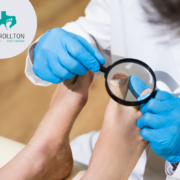
applying treatment to a toenail with fungus

Why Does My Toenail Still Look Bad After Fungus Treatment?

You finished treating your toenail fungus, but your nails are still thick, yellow, or misshapen. Why does my toenail still look bad after fungus treatment, even when the treatment worked?

The answer is often simple: even after the infection clears, the damaged nail must grow out before a healthier-looking nail can take its place. The encouraging news is that you may have options to improve its appearance in the meantime.

At Carrollton Foot Center, we help patients understand why their nails look different and whether KeryFlex Nail Restoration could improve their appearance.

Why Doesn’t Your Toenail Look Normal After Fungus Treatment?

Toenails grow from the nail matrix beneath the skin near the base of the nail. Once a section of the nail becomes damaged, it can’t be repaired. The new nail must gradually replace it.

A big toenail can take 12 to 18 months to grow out completely. That means discoloration or thickening may remain visible long after successful fungal treatment. Seeing an imperfect nail doesn’t automatically mean your treatment failed.

Fungus also isn’t the only explanation for deformed toenails. Other causes include:

  • Repeated pressure: Tight shoes or sports can repeatedly injure a toenail.
  • Past injuries: A crushed or split toenail may grow back unevenly.
  • Other nail conditions: Psoriasis and other disorders can change a nail’s color, thickness, or shape.
  • Persistent or recurring fungus: Sometimes an infection needs additional attention.

A podiatrist can help determine what’s behind the changes and what options make sense for your nail.

How Can KeryFlex Improve a Damaged Toenail?

If you’re tired of hiding a damaged nail, KeryFlex may offer a way to improve its appearance without waiting for the entire nail to grow out.

During an office visit, a trained provider prepares the remaining natural nail, applies a specialized resin, shapes it to resemble a toenail, and hardens the material with a curing light.

The result is a flexible, natural-looking restoration. Your natural nail can continue growing underneath, and suitable patients may see an immediate cosmetic difference.

KeryFlex is designed to improve how your toenail looks while the natural nail continues to grow.

How Is KeryFlex Different From Acrylic Toenails?

Unlike conventional salon acrylics, KeryFlex is designed specifically for cosmetic restoration of damaged nails.

The material is flexible enough to move with the toe, resists everyday moisture, and can be worn with regular nail polish. As your natural nail grows, the restoration can be maintained or replaced to help keep your toenail looking its best.

Can KeryFlex Treat Toenail Fungus?

KeryFlex improves a nail’s appearance, but it isn’t an antifungal treatment.

If nail fungus is still present, your podiatrist can discuss treatment for the infection and whether cosmetic restoration may be appropriate as part of your care plan.

That way, you can address the cause of the nail changes while exploring ways to feel better about how your toenail looks.

Is KeryFlex Right for Your Damaged Toenail?

You don’t necessarily have to wait a year or longer to feel more comfortable showing your toenails. With the right diagnosis, you can explore options for a healthier-looking nail and greater confidence in sandals or open-toed shoes.

At Carrollton Foot Center, we can examine persistent nail changes, discuss treatment when needed, and determine whether KeryFlex is an appropriate cosmetic option. You may have more options than simply waiting for your nail to grow out.

Consult with Board-certified podiatrist Dr. Naghmeh Lilly Khavari, a knowledgeable professional who is dedicated to her patients in Denton, Dallas, and Collin Counties. Dr. Khavari treats a wide range of conditions, from ingrown toenailsto foot and ankle injuries. Call Carrollton Foot Center‘s office (located in Carrollton, Texas) at (469)-998-3668 to schedule your first appointment today!
5 Foot Signs That Usually Don’t Mean Heart Trouble

During American Heart Month, it’s typical to read a lot of fear-mongering misinformation online and get scared. However, we at  Carrollton Foot Center are here to set the heart’s record straight. If you notice any of these signs in your feet, your cardiovascular system is most likely fine, contrary to what you might have thought.

1. Burning or Tingling in One Foot

While poor circulation can cause a dull ache, a sharp burning sensation in your feet, especially if it’s only in one foot, is rarely a heart issue. Instead, this usually points to a nerve problem. You might have a pinched nerve in your back (sciatica) or a localized issue like Morton’s neuroma, which is a thickening of the tissue around the nerves leading to your toes. If it feels like an electric shock, it’s likely a nerve, not a heart problem.

2. Cold Feet Only After It Rains or Snows

If your feet are icy cold 24/7, even in a warm room, you might check your circulation. But if your feet only feel cold after you’ve been out in the slush, it’s likely an environmental or footwear issue. Many waterproof boots lose their seal over time. If moisture is getting in, your feet will freeze regardless of how strong your heart is. If they warm up quickly once you’re inside, your heart is doing its job just fine.

3. A Painful Knot in Your Arch

If you feel a sharp pain in your arch the second you step out of bed, your mind might jump to a blood clot or arterial blockage. However, this is the classic signature of plantar fasciitis.

This is a mechanical issue where the thick band of tissue supporting your arch becomes inflamed. It’s about how you walk and the shoes you wear, not how your heart is pumping.

4. Swelling in Only One Ankle

We often hear that swollen ankles mean heart failure. However, heart-related swelling is almost always bilateral, meaning it happens in both feet at the same time.

If only your left ankle is puffy while your right one looks normal, you are likely looking at a local issue like a minor sprain, a bug bite, or a localized vein problem rather than a failing heart.

5. Sudden Yellowing of the Toenails

If your toenails are turning yellow and getting thick, you might worry about oxygen levels. In reality, 90% of the time, this is simply a fungal infection.

Fungus loves the damp environment of winter boots. While it’s a nuisance, it’s a localized skin and nail issue, not a sign that your heart is struggling to deliver nutrients.

Always check with a trusted podiatrist to be 100% sure!

Consult with Board-certified podiatrist Dr. Naghmeh Lilly Khavari, a knowledgeable professional who is dedicated to her patients in Denton, Dallas, and Collin Counties. Dr. Khavari treats a wide range of conditions, from ingrown toenails to foot and ankle injuries. Call Carrollton Foot Center’s office (located in Carrollton, Texas) at (469)-998-3668 to schedule your first appointment today!

Toenail Problems and How to Prevent Them

Our toenails play a crucial role in protecting our toes and supporting healthy foot function. However, various conditions can affect our nails, leading to discomfort, pain, and even infections. This article from us at Carrollton Foot Center provides essential knowledge for maintaining optimal toenail health and preventing common problems.

Toenail Conditions to Watch Out For

Don’t get us wrong: everyone should take proper care of their toenails. But, if you are an athlete, diabetic, or someone prone to infection, you should be particularly careful. Here are some toenail issues to watch for:

  • Brittle Nails: Nails that are dry, cracked, or easily broken can indicate anemia, thyroid disorder, or nutritional deficiencies.
  • Fungal Infections: Onychomycosis can cause nails to thicken, discolor, and become brittle.
  • Ingrown Toenails: The classic case when the nail turns on you (literally), growing into the surrounding skin and causing pain, redness, and swelling.
  • Discolored Nails: Changes in nail color, such as yellowing, greening, or blackening, can signal fungal infections, injuries, or other medical conditions. For instance, it’s common for athletes with black nails to have a subungual hematoma caused by repetitive trauma.

Tips for Healthy Toenails

  • Numerous studies show that biotin can help strengthen brittle nails, including this one courtesy of PubMed. Similarly, zinc is known to be essential for cellular growth. It’s also known that white spots in toenails are linked to deficiencies in zinc.
  • Beyond vitamins and supplements, It’s always best to consult a doctor or podiatrist before starting any new supplements, especially if you have any underlying health conditions or are taking medications.
  • This is why maintaining healthy toenails should start with the basics: trimming them to prevent ingrown toenails, washing your feet daily, drying them thoroughly, and wearing clean socks to prevent fungal infections.
  • Also, there are some great ways to take care of toenail fungus should you encounter it, which is why healthy nails are always a podiatrist consultation away.

Consult with Board-certified podiatrist Dr. Naghmeh Lilly Khavari, an esteemed professional who is dedicated to her patients in Denton, Dallas, and Collins Counties. Dr. Khavari treats a wide range of conditions, from ingrown toenails to foot and ankle injuries. Call Carrollton Foot Center’s office (located in Carrollton, Texas) at (469)-998-3668 to schedule your first appointment today!

Foot Pain and Your Golf Game

August is National Golf Month, so we are making sure you are all set for your next swing. Whether you enjoy golfing as a hobby or competing with other professionals, we know you are dependent on your feet. As you travel from one hole to the next, foot pain is not a part of the plans. There are common foot conditions that can affect your game, but we’re here to make sure you stay steps ahead.

Dr. Naghmeh Lilly Khavari of the Carrollton Foot Center works with a variety of athletes, from basketball players to golfers. Regardless of the sport, support, and shoe style matter. She helps athletes make the best decisions for their feet. The results can help them with the game, too.

Here are three things to do before your next golf game:

Trim your toenails

Long toenails in your golf shoes can cause discomfort and an ingrown toenail. Trim your toenails properly to limit how much they rub against the inside of your shoes. An ingrown toenail occurs when the toenail begins to grow into the side of your skin. If it pierces the skin, there is a risk of infection.

Address foot pain

If you have foot pain, it will seem like the longest walk from one hole to the next. Addressing foot pain now will allow you to perform your best. Simple solutions include getting evaluated for custom orthotics, increasing your shoe size, or allowing your feet to rest. Common foot problems include plantar fasciitis, ingrown toenails, and Achilles tendonitis.

Check your shoes

Your shoe style can make a significant difference with your support. While shopping for golf shoes, take your time. Shop at the end of the day, which is when your feet are at their largest. Ask the sales representative to use a Brannock Device to measure your feet. The device is the best tool for getting an accurate shoe size.

Giving your best on the golf course starts with feeling great from head to toe. We can help with the foot-and-ankle part of your swing. If you have concerns about foot pain and how it can affect your game, contact us today.

Our board-certified podiatrist, Dr. Naghmeh Lilly Khavari, is here to help. She treats a variety of conditions such as bunions, corns, calluses, ingrown toenails, plantar fasciitis, and more. We also offer advanced surgical solutions. Our team provides excellent service to patients in Denton, Dallas, and Collins counties. Contact our office at (469) 998-3668 for your foot and ankle solutions. Our office is at 4221 Medical Parkway, STE 450, in Carrollton, TX.

Call Now ButtonCall Now!