fbpx

Posts

What Your Feet Reveal About Your Thyroid Health

While many people associate thyroid issues with fatigue or weight changes, Carrollton Foot Center is here to tell you that your feet provide early warnings of an under or overactive thyroid. It’s National Thyroid Awareness Month, so let’s jump into the signs that can help you identify a potential hormonal imbalance.

Chronic Dryness and Cracked Heels

One of the most common signs of hypothyroidism, or an underactive thyroid, is severely dry and cracked skin. When the thyroid does not produce enough hormones, the metabolism slows down and reduces sweat and oil production.

This lack of natural moisture often leads to deep, painful fissures on the heels and a leathery texture on the soles of the feet. Unlike standard dry skin, thyroid-related dryness typically persists even after the frequent application of high-quality moisturizers.

Temperature Regulation and Circulation

If you find that your feet remain icy cold even in a warm room or under heavy blankets, it may be a sign of low thyroid function. An underactive thyroid can lead to decreased circulation. In some cases, this poor circulation can cause a yellowish tint on the soles of the feet, a condition known as carotenemia, which occurs because the body is struggling to convert carotene into vitamin A.

Swelling and Fluid Retention

Swelling and fluid retention are also closely linked to thyroid health. Patients with hypothyroidism often experience puffy feet and ankles due to a buildup of fluid in the tissues.

As well, those with Graves disease may develop a rare skin condition that causes the skin on the lower legs and feet to become thick, red, swollen, and to have an orange-peel texture.

Nerve Pain and Brittle Nails

Thyroid disorders can also impact the nerves and muscles in the legs and feet, which manifests as tingling or numbness in the toes and soles, a burning sensation that worsens at night, and frequent muscle cramps.

Your nails can also provide clues, because thyroid issues often cause toenails to become brittle, slow-growing, or prone to fungal infections.

Why Podiatry for Thyroid Health

If you notice these changes, a visit to a podiatrist is a great first step. While we treat the immediate discomfort in your feet, we also look for these systemic red flags and can coordinate with your primary care physician for necessary blood work.

Consult with Board-certified podiatrist Dr. Naghmeh Lilly Khavari, a knowledgeable professional who is dedicated to her patients in Denton, Dallas, and Collin Counties. Dr. Khavari treats a wide range of conditions, from ingrown toenails to foot and ankle injuries. Call Carrollton Foot Center’s office (located in Carrollton, Texas) at (469)-998-3668 to schedule your first appointment today!

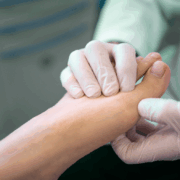
bottom of foot

What Leneva Fat Pad Replacement Can Do for Your Feet

Nature designed the human foot with a brilliant built-in shock absorber: the plantar fat pad. However, due to aging, genetics, or years of high-impact activity, that fat pad can wear away. And when it thins out, it feels like walking directly on bone.

Enter Leneva Fat Pad Replacement. This isn’t just a temporary filler or a cortisone shot, but a regenerative solution designed to literally replace the cushioning tissue that time has taken away. Dr. Naghmeh Lilly Khavari relies on Leneva Fat Pad Replacement to treat a variety of foot problems. Here is how this restoration process works and the specific conditions it treats.

Understanding Fat Pad Replacement

Unlike synthetic fillers used in cosmetic procedures, Leneva is an allograft adipose matrix. Think of it as a natural honeycomb scaffold derived from sterile fat tissue. When placed into the foot, it acts as a framework that produces its own fat cells.

The result is not a foreign object, but a restoration of the patient’s own natural fat pad. It essentially gives the foot a do-over on its natural cushioning.

Treating Fat Pad Atrophy

The primary use for this technology is treating fat pad atrophy. Patients with this condition often describe the sensation of walking on marbles or feeling deep, bruising pain in their heels or the balls of their feet.

By performing a fat pad replacement, the volume is restored. This puts a functional pillow back between the skin and the bone, relieves that bone-on-ground pain, and allows for comfortable walking again.

Eliminating Pressure Points

Fat pad replacement is also a powerful tool for dealing with chronic corns and calluses. These hard spots form because a bone inside the foot is pressing relentlessly against the skin from the inside.

Trimming the skin only helps temporarily because the pressure remains. But Leneva allows for internal offloading. By replacing the fat layer between the bony prominence and the skin, the pressure is dissipated. With the friction gone, the painful corn or callus often stops forming entirely.

Protecting the Diabetic Foot

For people managing diabetes, pressure points are dangerous precursors to ulcers. A specific area of high pressure can cause the skin to break down.

Fat pad replacement creates a protective buffer in these high-risk zones by restoring the cushion. Then, the risk of tissue breakdown is significantly reduced.

Relief for High-Impact Pain

Leneva Fat Pad Replacement is also excellent for pain in the ball of the foot. Whether caused by the anatomy of the foot or years of running, thinning fat in the forefoot causes burning pain. Replacing these pads provides the shock absorption necessary to return to activity without the burn.

Consult with Board-certified podiatrist Dr. Naghmeh Lilly Khavari, a knowledgeable professional who is dedicated to her patients in Denton, Dallas, and Collin Counties. Dr. Khavari treats a wide range of conditions, from ingrown toenails to foot and ankle injuries. Call Carrollton Foot Center’s office (located in Carrollton, Texas) at (469)-998-3668 to schedule your first appointment today!
5 Subtle Warning Signs of Foot Conditions You Shouldn’t Ignore

If we at Carrollton Foot Center know one thing about feet, it’s that they are great barometers of our health. But while a dramatic ankle sprain or a painful ingrown toenail sends a clear message, many foot and ankle conditions begin with subtle, easily missed warning signs. In this blog post, we’ll help you tune your ear to your feet and listen to specific symptoms you shouldn’t dismiss.

That Lingering Ache

If your feet and ankles consistently ache after a normal day of activity, don’t just chalk it up to a long day or being on your feet. A lingering, dull pain that doesn’t disappear with a night’s rest could be an early signal of plantar fasciitis, a stress fracture, or even developing arthritis. While muscle soreness is normal, a sharp or specific ache in a joint or bone is a sign that a particular structure is under too much stress and needs attention.

Numbness and Tingling

A sudden tingling or numbness in your feet is often just a temporary nerve compression from sitting in an awkward position. But if you experience persistent or recurring sensations like pins and needles, or if your feet feel numb without an obvious cause, it’s a definite red flag.

These sensations can be an early sign of peripheral neuropathy, which is a common complication of diabetes. It can also be a symptom of a pinched nerve in your back, or a condition like tarsal tunnel syndrome in your ankle, where a nerve is being compressed. While these aren’t guarantees, it’s important to get them checked sooner rather than later.

Skin, Nail, and Hair Changes

If you notice your feet are consistently cool to the touch, or if the skin on your legs and feet appears unusually shiny, pale, or bluish, it could be a sign of Peripheral Artery Disease and poor circulation.

Similarly, thinning or hair loss on your toes, or toenails that are growing very slowly and have become brittle or discolored, can also be signs that your feet aren’t getting the healthy blood flow they need.

Uneven Shoe Wear

Take a look at the soles of your shoes. If one shoe is wearing down much faster than the other, or if a specific part of the sole is wearing down excessively, it’s a strong indicator of a gait abnormality. This means you might be walking in a way that puts abnormal stress on your feet. And no, not all walking issues are apparent! Biomechanical problems can be subtle, and they’re not just a shoe issue; they need correction, or else they can lead to secondary injuries.

Recurrent Ankle Instability

Believe it or not, that’s exactly what it’s called: chronic ankle instability. If you’ve had a bad ankle sprain in the past and always feel like you’re on the verge of another one, that’s a clear sign of chronic ankle instability. This isn’t just a weakness; it means the ligaments literally haven’t healed properly.

Consult with Board-certified podiatrist Dr. Naghmeh Lilly Khavari, a knowledgeable professional who is dedicated to her patients in Denton, Dallas, and Collin Counties. Dr. Khavari treats a wide range of conditions, from ingrown toenails to foot and ankle injuries. Call Carrollton Foot Center’s office (located in Carrollton, Texas) at (469)-998-3668 to schedule your first appointment today!
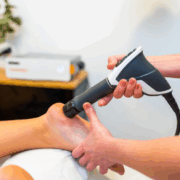
Someone performing shockwave therapy on a foot as a person is laying down

Debunking Common Myths About Shockwave Therapy

If you’ve been battling persistent foot or ankle pain that just won’t quit, you might have heard about Radial Pulse Shockwave Therapy. We at Carrollton Foot Center swear by it for the treatment of many foot and ankle conditions. But as with any innovative medical technology, there tend to be a lot of misconceptions. So in this article, we’re giving you our honest insight into how shockwave therapy actually works. What’s true and not true? Keep reading to find out.

Myth 1: RSWT is a Painful and Invasive Procedure

This is a common concern, but RSWT is actually a minimally invasive, in-office procedure. The treatment uses a small device to send harmless, low-energy waves to your skin. While patients typically feel a brief, quick pulsing or tapping sensation, the discomfort is generally well-tolerated and short-lived. There is no need for anesthesia, no incisions, and no downtime. You can walk out of the office and go on about your day.

Myth 2: RSWT is Just a “Freeze” Treatment or Basic Ultrasound

RSWT is completely different from cryotherapy and ultrasound. Cryotherapy relies on extreme cold to numb and reduce inflammation, whereas ultrasound uses sound waves to create heat deep within the tissues.

Shockwave therapy, however, uses radial pressure waves to stimulate a natural healing response in the body. How? By increasing blood circulation, breaking up scar tissue, and essentially resetting the healing process in chronic conditions that have stalled.

Myth 3: You Only Need One Session to Be Cured

Radial Pulse Shockwave Therapy is not a one-and-done solution. A series of treatments (typically 3-5 sessions, spaced a week apart) is standard protocol for most chronic conditions.

While you might feel some relief after the first session, the cumulative effect of the treatments is what truly drives long-term healing.

Myth 4: RSWT is Only for Heel Pain

While RSWT is known for fighting against plantar fasciitis, its use is much broader. In fact, it’s effective for various chronic soft tissue injuries like Achilles tendonitis, shin splints, and even pain from Morton’s neuroma. Any condition rooted in chronic inflammation, scar tissue, or poor blood flow can potentially benefit from RSWT.

Myth 5: RSWT is a Miracle Cure for Everyone

But despite this versatile range of conditions, shockwave therapy isn’t for everyone. Plus, no medical treatment can offer a 100% guarantee for every single patient. Its success depends on many factors, including your overall health, the severity and duration of your injury, and how well you follow post-treatment care.

Consult with Board-certified podiatrist Dr. Naghmeh Lilly Khavari, a knowledgeable professional who is dedicated to her patients in Denton, Dallas, and Collin Counties. Dr. Khavari treats a wide range of conditions, from ingrown toenails to foot and ankle injuries. Call Carrollton Foot Center’s office (located in Carrollton, Texas) at (469)-998-3668 to schedule your first appointment today!

Barefoot Running: The Pleasure and the Pain

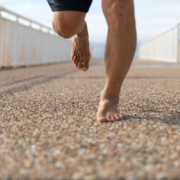
With the foot pain many of us experience from running, it’s tempting to turn to the Barefoot Running Movement for answers! However, according to the American Podiatric Medical Association, the benefits of barefoot running have never been confirmed by research. Although the movement touts upsides such as improved circulation, coordination, and strength, you should speak with our experts at Carrollton Foot Center to ensure barefoot running will be safe and effective for you.

Bare Feet Vs. Regular Shoes

According to the Barefoot Running Movement, humans have been running barefoot since ancient times. Shoes, however, are a recent creation that stunts the way you are naturally designed to move. This notion that regular running shoes are unnatural may make sense to you if your feet hurt while running. This may also explain the success of “minimalist” or “five-toed” shoes. In between bare feet and regular running kicks, minimalist shoes act as a compromise to the pros and cons of pure barefoot running.

Benefits of Barefoot Running:

  • Encourages a more natural running This can help reduce impact on your joints, shorten your strides, and increase athletic performance.
  • Promotes landing on the ball of your feet as opposed to “heel striking,” reducing the chance of injury and plantar fasciitis.
  • Strengthens the muscles in your foot that aren’t usually engaged in regular shoes. Progressively, this could correct flat feet and similar arch problems.

Downsides of Barefoot Running:

  • Increases risk of infection and skin injury. This is especially the case for diabetics, who may not have proper feeling in their feet.
  • Takes time getting acclimated to the “natural” running form. Acclimation struggles also extend to not having access to clean or safe terrain.
  • Heightens the chance of stress fractures and Achilles injuries. This is due to lack of foot support.

Ultimately, it is necessary to weigh both sides to see if barefoot running is right for you. Consult with Board-certified podiatrist Dr. Naghmeh Lilly Khavari, a well respected expert who is eager to assist her patients in Denton, Dallas, and Collins Counties. She treats a vast array of issues, from ingrown toenails to plantar fasciitis. Call Carrollton Foot Center’s office (located in Carrollton, Texas) at (469)-998-3668 to book your initial consultation today!

Hitting the Pavement Without the Pain: How Runners Can Conquer Heel Pain

Carrolton Foot Center is all in favor of regular running! It’s an incredibly beneficial form of exercise that delivers consistent benefits, boosting both physical and mental well-being. However, there’s no such thing as a free lunch, and running is no exception.

Heel pain and Achilles tendonitis are among the common costs runners must confront, and like any podiatric problem, they create serious stumbling blocks when left untreated. The blog below should help you stay fit, flexible, and focused on your goals.

Preventing Heel Pain with a Strong Foundation

You can keep heel pain from starting with some of these preventative measures.

  • Supportive Shoes: Invest in well-fitting running shoes with proper arch support and cushioning specifically designed for your running style. Replace them every 300-500 miles to maintain optimal shock absorption.
  • Stretch It Out: Regularly performing calf stretches and foot mobilizations helps maintain flexibility and range of motion, reducing stress on the heel.
  • Gradual Progression: Don’t jump into high mileage or intense training too quickly. Gradually increase distance and intensity to allow your body to adapt and strengthen.
  • Cross-Training: Mix up your routine with low-impact activities like swimming or cycling to provide recovery periods for your heels.

Managing Heel Pain: When Prevention Isn’t Enough

Sometimes, you’ll need to handle pain that’s already present, and RICE (Rest, Ice, Compression, and Elevation) isn’t always enough.

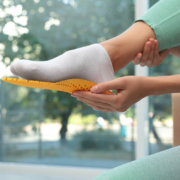
  • Custom Orthotics: Podiatrists can create custom orthotic inserts that address your specific biomechanical imbalances, providing targeted support and pressure relief to prevent conditions like plantar fasciitis and overpronation.
  • Pain Relief Options: Over-the-counter pain relievers can help manage discomfort.

Treating Persistent Heel Pain: Advanced Strategies

If pain persists despite conservative measures, your podiatrist may recommend:

  • Leneva® Fat Pad Injections: These injections replenish lost cushioning in the heel pad, promoting pain relief and tissue healing, which is particularly helpful for plantar fasciitis.

Board-certified podiatrist Dr. Naghmeh Lilly Khavari is committed to helping patients in Carrollton, TX. With advanced treatment methods, she offers assistance with everything from ingrown toenails to sophisticated surgical solutions. Contact Carrollton Foot Center’s office at 469-998-3668 to schedule an appointment today!

Custom Orthotics Cater to Feet of All Ages

Sometimes, we all need a little extra support to function. And when it comes to your feet, that’s especially true! Tired arches and aching heels don’t usually mend themselves, and leaving problems untreated can lead to further complications. This holds true for both our youngest patients and the senior citizens that we treat at Carrollton Foot Center.

In many cases, conservative interventions can make all the difference. That’s where custom orthotics come in, offering personalized solutions for both children and adults. Take a look at the information below to find out what these sole savers can do for you!

Growing Strong: Orthotics for Developing Feet

  • Children’s feet are constantly growing and evolving, and sometimes, that growth can lead to misalignments like flat feet or high arches.
  • Custom orthotics, crafted to mold perfectly to a child’s unique foot shape, can promote proper development, guiding growing bones into correct alignment while reducing the risk of long-term problems like hip and knee pain.
  • Early intervention with orthotics can address issues like heel pain and ingrown toenails, improving a child’s overall comfort and participation in activities.
  • By providing stability and support, orthotics can improve balance, coordination, and endurance, giving young athletes a boost in their chosen sports.

Stepping Ahead: Orthotics for Adult Feet

  • Whether it’s plantar fasciitis, arthritis, or simply tired feet, orthotics can redistribute pressure and provide cushioning, leading to pain relief and improved mobility.
  • Orthotics can address problems like foot pronation or supination, preventing further damage and improving overall posture and gait.
  • For individuals with diabetes or neurological issues, orthotics can play a crucial role in preventing foot ulcers and promoting wound healing.

Customized for You

  • Unlike the one-size-fits-all approach of over-the-counter inserts, custom orthotics are made specifically for each individual’s foot.
  • The precise fit minimizes pressure points, providing targeted support exactly where it’s needed.
  • High-quality materials ensure your orthotics withstand the demands of daily life.
  • With proper care, custom orthotics can offer years of improved foot health and comfort.

Wondering if orthotics are right for you? Come ask board-certified podiatrist Dr. Naghmeh Lilly Khavari! Committed to helping all her clients in Carrollton, TX, she offers a wide variety of treatments, from ingrown toenails to advanced surgical solutionsContact Carrollton Foot Center’s office at 469-998-3668 to schedule an appointment today!

How To Find Your Correct Shoe Size

Having your feet measured professionally is a good idea when shopping for shoes. As we age, our feet grow when the tendons and ligaments lose elasticity. The results are that the toes spread out, the arch flattens, and the feet become longer and wider.

Using The Brannock Device

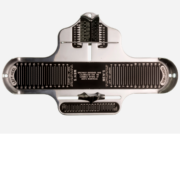
This strange-looking metal device used to measure your feet in shoe stores is called a Brannock Device. It has been in use for almost 100 years!

Charles F. Brannock came from a shoe industry family and wanted an improved means of measuring the length and width of your feet and the height of the arch. The foot-measuring device that we know today as the Brannock device gives accurate measurements of both right and left feet and is the international footwear industry standard.

There are models for men’s shoe sizing, women’s and children’s, and specialized types for athletic shoes and ski boots. Even the Smithsonian Institution recognizes its contribution to the American industry and houses samples of some of the first Brannock devices.

Getting the Right Shoe Fit Is Important

Studies show that only about 37% of people wear shoes of the correct length and width! Are you one of them? Wearing shoes that are too short, too narrow, or too tight can cause some significant foot problems, including:

  • Neuropathy: Pins and needles in the feet and decreased sensation can be caused by tight-fitting shoes that put pressure on the nerves.
  • Hammertoe: Shoes that are too narrow in the toe box can force toes to bend unnaturally into the hammertoe shape. Besides being painful, the skin of the hammertoe can have corns and calluses from footwear pressure against bony spots.
  • Ingrown toenails: Pressure on the toe from poorly fitting shoes can force the edge of a toenail to grow into the skin and become infected.
  • Bunion: Although tight shoes won’t cause a painful bunion, they can worsen it by pushing the big toe.

Foot pain from poorly-fitting shoes can also cause mobility issues and falls. Play it safe – measure both feet at least twice yearly for foot comfort and safety.

Board-certified podiatrist Dr. Naghmeh Lilly Khavari is committed to helping her clients in Carrollton, TX. She offers a wide variety of treatments, from ingrown toenails to advanced surgical solutions. Contact Carrollton Foot Center’s office at 469-998-3668 to schedule an appointment today!

Foot Pain and Your Golf Game

August is National Golf Month, so we are making sure you are all set for your next swing. Whether you enjoy golfing as a hobby or competing with other professionals, we know you are dependent on your feet. As you travel from one hole to the next, foot pain is not a part of the plans. There are common foot conditions that can affect your game, but we’re here to make sure you stay steps ahead.

Dr. Naghmeh Lilly Khavari of the Carrollton Foot Center works with a variety of athletes, from basketball players to golfers. Regardless of the sport, support, and shoe style matter. She helps athletes make the best decisions for their feet. The results can help them with the game, too.

Here are three things to do before your next golf game:

Trim your toenails

Long toenails in your golf shoes can cause discomfort and an ingrown toenail. Trim your toenails properly to limit how much they rub against the inside of your shoes. An ingrown toenail occurs when the toenail begins to grow into the side of your skin. If it pierces the skin, there is a risk of infection.

Address foot pain

If you have foot pain, it will seem like the longest walk from one hole to the next. Addressing foot pain now will allow you to perform your best. Simple solutions include getting evaluated for custom orthotics, increasing your shoe size, or allowing your feet to rest. Common foot problems include plantar fasciitis, ingrown toenails, and Achilles tendonitis.

Check your shoes

Your shoe style can make a significant difference with your support. While shopping for golf shoes, take your time. Shop at the end of the day, which is when your feet are at their largest. Ask the sales representative to use a Brannock Device to measure your feet. The device is the best tool for getting an accurate shoe size.

Giving your best on the golf course starts with feeling great from head to toe. We can help with the foot-and-ankle part of your swing. If you have concerns about foot pain and how it can affect your game, contact us today.

Our board-certified podiatrist, Dr. Naghmeh Lilly Khavari, is here to help. She treats a variety of conditions such as bunions, corns, calluses, ingrown toenails, plantar fasciitis, and more. We also offer advanced surgical solutions. Our team provides excellent service to patients in Denton, Dallas, and Collins counties. Contact our office at (469) 998-3668 for your foot and ankle solutions. Our office is at 4221 Medical Parkway, STE 450, in Carrollton, TX.

The Beach and Your Feet

July is UV Safety Awareness Month, and it’s also beach season! Now is a great time for a refresher course on how the sun’s rays can impact the skin on your feet and ankles. Do you know your risk? According to The Skin Cancer Foundation, the risk of developing melanoma doubles if you have a history of five or more sunburns. Although some people are more prone to sunburn, anyone can get one. Protect your skin with sunscreen.

Dr. Naghmeh Lilly Khavari of the Carrollton Foot Center wants you to enjoy your beach time without bringing home a sunburn on your feet — or any other type of injury. Here are a few helpful tips to keep in mind during your next beach vacation.

Sunblock

Do you consider sunblock a must-have for your packing list? We do. Protecting your skin from the sun’s rays is extremely important for everyone. Choose sunblock that works best for you, as some people are more sensitive to particular ingredients. If you plan to play sports or spend a lot of time in the water, purchase sunscreen to help you stay safe in these scenarios.

Shoes and sandals

Hot sand and hot pavement can cause big ouches — especially if you’re walking without shoes. To protect your soles from burns, always wear shoes. Also, to protect your feet from sharp objects buried in the sand, wear shoes that offer enough protection. Flimsy flip-flops may not do the job.

Supplies for first-aid

Do you have bandages for a cut? If you needed to add compression to your ankle, could you find something in your suitcase or beach bag? We don’t often think about things that could go wrong while having fun. It’s always best to be prepared, though. Think of travel-sized items that could help you clean a wound and keep it covered.

There is so much to consider while planning for a beach trip. When you’re thinking about the safety of your feet, include these tips:

  • Carry contact information for a doctor
  • Some injuries require immediate attention; don’t wait until you return
  • Never ignore an injury; rest and schedule an appointment

Our board-certified podiatrist, Dr. Naghmeh Lilly Khavari, is here to help. She treats a variety of conditions such as bunions, corns, calluses, ingrown toenails, plantar fasciitis, and more. We also offer advanced surgical solutions. Our team provides excellent service to patients in Denton, Dallas, and Collins counties. Contact our office at (469) 998-3668 for your foot and ankle solutions. Our office is at 4221 Medical Parkway, STE 450, in Carrollton, TX.

Call Now ButtonCall Now!