fbpx

Posts

PRP therapy on foot

Is There a Natural Alternative to Foot Surgery for Chronic Pain?

Are you tired of resting, icing, and stretching, only to have your nagging foot pain return every morning? If you want to avoid the operating room and the side effects of traditional steroid injections, Carrollton Foot Center has a cutting-edge solution. Keep reading to discover how regenerative medicine can naturally heal your damaged tissue and get you back on your feet with virtually zero downtime.

Masking the Pain vs. True Healing

When you suffer from stubborn injuries like a torn ligament or chronic plantar fasciitis, traditional treatments often focus entirely on symptom management.

  • Corticosteroid injections can offer temporary relief, but they only mask the pain and can actually weaken your tissue over time.
  • Our clinic offers a radically different approach. By using stem cell recruitment therapy and minimally manipulated amniotic tissue, we focus on long-term, biological healing rather than temporary fixes.

The Power of Platelet-Rich Plasma (PRP)

Alongside amniotic injections, we frequently utilize Platelet-Rich Plasma Therapy (PRP) to accelerate your recovery.

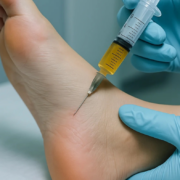
  • This natural, non-surgical treatment uses a concentrated dose of your body’s own healing factors to physically repair the damaged area.
  • Because it is just a simple, in-office injection, there is no hassle, no anesthesia, and none of the risks associated with going into a surgical operating room.

We use advanced techniques to make the process virtually painless, effectively resolving:

  • Osteoarthritis and joint stiffness
  • Heel, ankle, and toe pain
  • Muscle and ligament tears
  • Achilles tendonitis and severe ankle sprains

Protect Your Healing

The goal of regenerative therapy is to give you high-quality care with minimal discomfort and downtime so you can return to an active lifestyle.

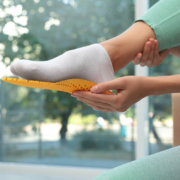
  • Once your tissue has naturally healed, we can easily pair your recovery with a set of custom accommodative orthotics to ensure your biomechanics stay perfectly aligned, preventing the injury from ever returning.

Ready to finally resolve your aching feet without going under the knife? Reach out to us today to see if you are a candidate for regenerative medicine!

Consult with Board-certified podiatrist Dr. Naghmeh Lilly Khavari, a knowledgeable professional who is dedicated to her patients in Denton, Dallas, and Collin Counties. Dr. Khavari treats a wide range of conditions, from ingrown toenails to foot and ankle injuries. Call Carrollton Foot Center’s office (located in Carrollton, Texas) at (469)-998-3668 to schedule your first appointment today!

bottom of foot

What Leneva Fat Pad Replacement Can Do for Your Feet

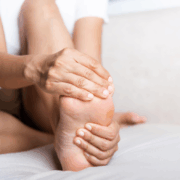
Nature designed the human foot with a brilliant built-in shock absorber: the plantar fat pad. However, due to aging, genetics, or years of high-impact activity, that fat pad can wear away. And when it thins out, it feels like walking directly on bone.

Enter Leneva Fat Pad Replacement. This isn’t just a temporary filler or a cortisone shot, but a regenerative solution designed to literally replace the cushioning tissue that time has taken away. Dr. Naghmeh Lilly Khavari relies on Leneva Fat Pad Replacement to treat a variety of foot problems. Here is how this restoration process works and the specific conditions it treats.

Understanding Fat Pad Replacement

Unlike synthetic fillers used in cosmetic procedures, Leneva is an allograft adipose matrix. Think of it as a natural honeycomb scaffold derived from sterile fat tissue. When placed into the foot, it acts as a framework that produces its own fat cells.

The result is not a foreign object, but a restoration of the patient’s own natural fat pad. It essentially gives the foot a do-over on its natural cushioning.

Treating Fat Pad Atrophy

The primary use for this technology is treating fat pad atrophy. Patients with this condition often describe the sensation of walking on marbles or feeling deep, bruising pain in their heels or the balls of their feet.

By performing a fat pad replacement, the volume is restored. This puts a functional pillow back between the skin and the bone, relieves that bone-on-ground pain, and allows for comfortable walking again.

Eliminating Pressure Points

Fat pad replacement is also a powerful tool for dealing with chronic corns and calluses. These hard spots form because a bone inside the foot is pressing relentlessly against the skin from the inside.

Trimming the skin only helps temporarily because the pressure remains. But Leneva allows for internal offloading. By replacing the fat layer between the bony prominence and the skin, the pressure is dissipated. With the friction gone, the painful corn or callus often stops forming entirely.

Protecting the Diabetic Foot

For people managing diabetes, pressure points are dangerous precursors to ulcers. A specific area of high pressure can cause the skin to break down.

Fat pad replacement creates a protective buffer in these high-risk zones by restoring the cushion. Then, the risk of tissue breakdown is significantly reduced.

Relief for High-Impact Pain

Leneva Fat Pad Replacement is also excellent for pain in the ball of the foot. Whether caused by the anatomy of the foot or years of running, thinning fat in the forefoot causes burning pain. Replacing these pads provides the shock absorption necessary to return to activity without the burn.

Consult with Board-certified podiatrist Dr. Naghmeh Lilly Khavari, a knowledgeable professional who is dedicated to her patients in Denton, Dallas, and Collin Counties. Dr. Khavari treats a wide range of conditions, from ingrown toenails to foot and ankle injuries. Call Carrollton Foot Center’s office (located in Carrollton, Texas) at (469)-998-3668 to schedule your first appointment today!
Is My Foot Lying to Me? Phantom Feelings from Nerve Damage

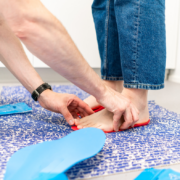
Ever feel a weird burning, crawling, or pinching in your foot and swear your sock is bunched up, only to find nothing there? Dr. Naghmeh Lilly Khavari hears reports of these phantom sensations all the time, and they are often the clearest sign of neuropathy, which is a condition that affects how the nerves communicate. Let’s discuss some of the most common sensations in detail.

Common Symptoms of Nerve Damage in the Feet

Your nerves are like the body’s wiring system. When they get damaged, compressed, or irritated by conditions like diabetes, tarsal tunnel syndrome, or a neuroma, they start to short-circuit.

Here are some of the weirdest and most common phantom sensations your feet might experience:

The Stuck Pebble Sensation

  • What it feels like: You constantly feel like you are standing on a marble, a small rock, or a wrinkled sock, usually right under the ball of your foot between your toes.
  • The reality: There’s nothing actually there. This feeling is caused by a Morton’s neuroma, which is a thickening of nerve tissue, and makes the nerve itself take up space and feel like a foreign object when compressed.

Pins and Needles

  • What it feels like: A crawling, prickling, or stinging sensation, like a thousand tiny needles that comes on for no reason.
  • The reality: This is paresthesia, and it means the nerve signals are going haywire, often caused by minor nerve compression or early-stage neuropathy.

The Burning/Icy Effect

  • What it feels like: Your feet feel intensely hot, as if they are perpetually on fire or submerged in scalding water, or sometimes they feel intensely icy and cold.
  • The reality: This is a classic sign of neuropathic pain. The damaged nerves are wrongly interpreting temperature signals.

The Itch You Can’t Scratch

  • What it feels like: An intense, sometimes debilitating itching sensation, often deep inside the skin or muscles, that you can’t scratch away with any relief.
  • The reality: There is no rash or external cause. This happens when damaged nerves misfire, and your brain translates the abnormal signal into an unrelenting itch.

Extreme Sensitivity

  • What it feels like: Normally, non-painful stimuli become excruciating. The slight brush of a pant leg can feel agonizing.
  • The reality: This is called allodynia. Pain receptors become severely oversensitive.

The Muscle Jump

  • What it feels like: You might notice subtle, spontaneous, quick twitching in the muscles of your foot or calf, even when you’re resting.
  • The reality: This is fasciculation, which is minor, involuntary muscle contractions often associated with nerve irritation or damage.

Disclaimer: We’ve all had these sensations from time to time. But if you are experiencing many of these in tandem frequently, it could be a sign of neuropathy. Visit us for a consultation!

Consult with Board-certified podiatrist Dr. Naghmeh Lilly Khavari, a knowledgeable professional who is dedicated to her patients in Denton, Dallas, and Collin Counties. Dr. Khavari treats a wide range of conditions, from ingrown toenails to foot and ankle injuries. Call Carrollton Foot Center’s office (located in Carrollton, Texas) at (469)-998-3668 to schedule your first appointment today!

Why Kids and Adults Need Orthotics

Custom orthotics are a common treatment for various foot and ankle conditions, but the needs and considerations for pediatric patients differ significantly from those of adults. Today, we at Carrollton Foot Center will explore the key distinctions between pediatric and adult orthotics and highlight how podiatrists tailor their approach to ensure optimal foot health for patients of all ages.

Why Orthotics?

We covered this in a previous blog, but today, we’ll go more in-depth as to how each age group depends on orthotics differently.

In Children:

  • Guiding Growth and Development: Orthotics can help guide proper foot and ankle development in children and address issues like flat feet, in-toeing, and out-toeing. Early intervention can prevent long-term complications and promote healthy biomechanics.
  • Addressing Congenital Conditions: Orthotics can be used to manage congenital foot deformities, such as clubfoot, which helps to correct alignment and improve function.
  • Supporting Neuromuscular Conditions: Children with neuromuscular conditions like cerebral palsy may benefit from orthotics to improve stability, reduce spasticity, and enhance mobility.
  • Managing Pediatric Foot Pain: Orthotics can address various sources of foot pain in children, such as Sever’s disease or juvenile bunions.

In Adults:

  • Correcting Biomechanical Issues: Orthotics can fix problems like flat feet, high arches, overpronation, or underpronation. These can all cause pain, affect your gait, and ruin your ability to exercise.
  • Managing Foot Conditions: Orthotics can help alleviate pain and improve function in conditions like plantar fasciitis, heel spurs, bunions, and metatarsalgia.
  • Offloading Pressure: Orthotics redistribute pressure and reduce stress on specific areas of the foot, which is crucial for people with diabetes or those prone to ulcers.
  • Improving Sports Performance: This applies to both groups, but orthotics can enhance athletic performance by optimizing biomechanics and reducing stress on the feet and lower limbs!

Pediatric and Adult Orthotics: Key Differences

In terms of function, pediatric orthotics often aim to guide proper foot development and prevent future problems, whereas adult orthotics may focus more on correcting existing issues and alleviating pain.

One of the key differences between pediatric and adult orthotics is the need to accommodate growth and development. Children’s feet are constantly growing and changing, so their orthotics must be designed to adapt to these changes. In contrast, adult feet generally require a more stable fit to provide greater support and correction.

Orthotic Progress Monitoring

Furthermore, children may adapt to orthotics more quickly due to their greater flexibility and adaptability, while adults may require a longer adjustment period.

Consequently, pediatric orthotics typically need to be re-evaluated more frequently than adult orthotics, usually every 6-12 months, or more often if the child experiences a growth spurt. Adult orthotics, on the other hand, may only need re-evaluation every 1-2 years unless there are changes in the patient’s condition or footwear.

Consult with Board-certified podiatrist Dr. Naghmeh Lilly Khavari, a knowledgeable professional who is dedicated to her patients in Denton, Dallas, and Collins Counties. Dr. Khavari treats a wide range of conditions, from ingrown toenails to foot and ankle injuries. Call Carrollton Foot Center’s office (located in Carrollton, Texas) at (469)-998-3668 to schedule your first appointment today!
Vamp Disease: Inflammation on the Top of Your Foot

Lacing your shoes too tight might leave you with a lesser-known podiatric condition called Vamp Disease. This refers to inflammation on the top of your foot caused by irritation from the upper part of your shoe, aka the vamp.

The mechanism behind this spooky-sounding condition is essentially nerve compression from said tightness. But Halloween’s over, and we at Carrollton Foot Center aren’t here to lecture you on the science. Instead, let’s talk about causes, symptoms, and treatment.

Causes of Vamp Disease

Besides excessive shoe friction, these are other causes of Vamp Disease:

  • Improper gait: An abnormal walking pattern, such as pronation (rolling inward), can cause increased pressure on the big toe during push-off.
  • High-impact activities: Activities that involve repetitive pounding on the forefoot, like running or jumping, can increase the risk of irritation.
  • Hypermobility: Individuals with loose ligaments in the foot may experience increased strain on the tendons around the big toe.

Symptoms of Vamp Disease

Pain is the most common symptom of vamp disease, often described as a burning or aching sensation on the top of the big toe, particularly when wearing shoes or engaging in activities.

Chronic friction can also lead to the development of a thickened, hardened area of skin, known as a callus, on the top of the big toe.

Diagnosis of Vamp Disease

A podiatrist can diagnose vamp disease through a physical examination. They will assess your foot structure, gait pattern, and the location and nature of your pain. X-rays may be ordered to rule out other potential causes of pain (like a stress fracture).

Treatment of Vamp Disease

Treatment for vamp disease focuses on reducing inflammation and preventing further shoe irritation. For instance, wearing shoes with a softer, more flexible vamp or opting for wider shoes can greatly reduce pressure on the affected area.

Custom orthotics can also help redistribute pressure and improve foot biomechanics that reduce stress on the big toe.

Consult with Board-certified podiatrist Dr. Naghmeh Lilly Khavari, an esteemed professional who is dedicated to her patients in Denton, Dallas, and Collins Counties. Dr. Khavari treats a wide range of conditions, from ingrown toenails to foot and ankle injuries. Call Carrollton Foot Center’s office (located in Carrollton, Texas) at (469)-998-3668 to schedule your first appointment today!
Haglund’s Deformity: Debunking the Bony Bump

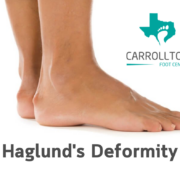
What is that odd-looking bump near the back of your heel? It could be Haglund’s deformity, often referred to as “pump bump,” which is a bony enlargement located where the Achilles tendon attaches. This prominent bone can cause significant discomfort and irritation, especially when wearing shoes.

Luckily, we at Carrollton Foot Center are here to debunk the bony bump and offer expert insight into all things Haglund’s Deformity. Let’s take a look.

Causes of Haglund’s Deformity

While the exact cause is often unclear, several factors contribute to the development of Haglund’s Deformity. These include:

  • Foot structure: Individuals with high arches or flat feet may be more susceptible.
  • Shoe gear: Wearing shoes with rigid backs, such as high heels or tight-fitting footwear, can exacerbate the condition.
  • Overuse: Repetitive activities that put stress on the heel, like running or dancing, may contribute to the bony growth.
  • Achilles tendon tightness: A stiff Achilles tendon can pull on the heel bone, contributing to the deformity.

Symptoms of Haglund’s Deformity

Individuals with Haglund’s deformity often experience pain and inflammation at the back of the heel, which can worsen with shoe friction. The affected area may also become red, swollen, or blistered.

Prevention

While there’s no guaranteed way to prevent Haglund’s deformity, certain measures can help reduce the risk:

  • Proper footwear: Choose shoes that fit well and provide adequate cushioning. Avoid tight-fitting shoes or those with hard backs, and regularly replace worn out shoes.
  • Stretching exercises: Incorporate calf stretches into your daily routine to maintain flexibility.
  • Orthotics: Custom orthotics can help distribute pressure and alleviate discomfort.
  • Weight management: Maintaining a healthy weight can reduce overall stress on the foot and heel.

Treatment

Treatment for Haglund’s deformity focuses on pain relief and inflammation reduction. Non-surgical options include over-the-counter pain relievers, shoe modifications, and physical therapy. For severe cases, cortisone injections or surgery may be considered.

Depending on the severity of your bump, consult with your podiatrist to see which treatment option is the best for you.

Board-certified podiatrist Dr. Naghmeh Lilly Khavari is dedicated to her clients in Carrollton, TX. From ingrown toenails to innovative surgical solutions, she offers a vast array of treatments. Contact Carrollton Foot Center’s office at 469-998-3668 to book an appointment now!

Fouling Out: 5 Game-Stopping Basketball Foot Injuries

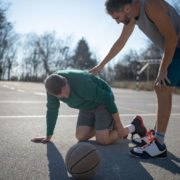
The NBA finals are here, which means summer leagues, AAU, and intense training sessions are upon us. We at Carrollton Foot Center understand that basketball is a fast-paced sport that demands a lot from your feet all year round.

Whether you’re a seasoned player or just starting out, learning common basketball foot injuries and proper foot care is essential for staying healthy and hitting those jumpers this summer. That’s what this blog’s about.

Common Basketball Foot Injuries

The constant jumping, stopping, and changing directions on the court carries a risk for various injuries:

  • Ankle Sprains: This is perhaps the most common basketball injury, occurring when the ligaments in your ankle overstretch or tear. It can happen due to landing awkwardly, stepping on someone’s foot, or rolling your ankle outwards. Symptoms include pain, swelling, bruising, and difficulty walking.
  • Plantar Fasciitis: This painful inflammation of the heel is often linked to repetitive stress from activities like basketball.
  • Achilles Tendonitis: Even legends such as Kobe Bryant have experienced issues with their Achilles. Overuse or tight calf muscles can irritate this tendon, causing pain and stiffness, particularly in the back of your heel and ankle.
  • Stress Fractures: These tiny cracks in the bones of your foot can develop from repetitive stress, especially in athletes who increase their training intensity too quickly.
  • Ingrown Toenails: Tight-fitting basketball shoes can put pressure on your toes, increasing the risk of ingrown toenails that dig into the surrounding skin, causing pain, redness, and swelling.

Essential Foot Care for Basketball Players

  • Invest in high-quality basketball shoes that provide adequate support, cushioning, and stability for your feet. Choose shoes specific to your playing position.
  • Regularly consulting a podiatrist can be highly beneficial, especially for athletes. They can assess your feet, identify potential problems early on, and recommend orthotics or other preventative measures.

By incorporating proper foot care practices into your routine, you can significantly reduce your risk of injuries and keep your feet healthy for optimal performance.

Consult with Board-certified podiatrist Dr. Naghmeh Lilly Khavari, a well-respected expert who is eager to assist her patients in Denton, Dallas, and Collins Counties. She treats a vast array of issues, from ingrown toenails to plantar fasciitis. Call Carrollton Foot Center’s office (located in Carrollton, Texas) at (469)-998-3668 to book your initial consultation today!

Hitting the Pavement Without the Pain: How Runners Can Conquer Heel Pain

Carrolton Foot Center is all in favor of regular running! It’s an incredibly beneficial form of exercise that delivers consistent benefits, boosting both physical and mental well-being. However, there’s no such thing as a free lunch, and running is no exception.

Heel pain and Achilles tendonitis are among the common costs runners must confront, and like any podiatric problem, they create serious stumbling blocks when left untreated. The blog below should help you stay fit, flexible, and focused on your goals.

Preventing Heel Pain with a Strong Foundation

You can keep heel pain from starting with some of these preventative measures.

  • Supportive Shoes: Invest in well-fitting running shoes with proper arch support and cushioning specifically designed for your running style. Replace them every 300-500 miles to maintain optimal shock absorption.
  • Stretch It Out: Regularly performing calf stretches and foot mobilizations helps maintain flexibility and range of motion, reducing stress on the heel.
  • Gradual Progression: Don’t jump into high mileage or intense training too quickly. Gradually increase distance and intensity to allow your body to adapt and strengthen.
  • Cross-Training: Mix up your routine with low-impact activities like swimming or cycling to provide recovery periods for your heels.

Managing Heel Pain: When Prevention Isn’t Enough

Sometimes, you’ll need to handle pain that’s already present, and RICE (Rest, Ice, Compression, and Elevation) isn’t always enough.

  • Custom Orthotics: Podiatrists can create custom orthotic inserts that address your specific biomechanical imbalances, providing targeted support and pressure relief to prevent conditions like plantar fasciitis and overpronation.
  • Pain Relief Options: Over-the-counter pain relievers can help manage discomfort.

Treating Persistent Heel Pain: Advanced Strategies

If pain persists despite conservative measures, your podiatrist may recommend:

  • Leneva® Fat Pad Injections: These injections replenish lost cushioning in the heel pad, promoting pain relief and tissue healing, which is particularly helpful for plantar fasciitis.

Board-certified podiatrist Dr. Naghmeh Lilly Khavari is committed to helping patients in Carrollton, TX. With advanced treatment methods, she offers assistance with everything from ingrown toenails to sophisticated surgical solutions. Contact Carrollton Foot Center’s office at 469-998-3668 to schedule an appointment today!

Custom Orthotics Cater to Feet of All Ages

Sometimes, we all need a little extra support to function. And when it comes to your feet, that’s especially true! Tired arches and aching heels don’t usually mend themselves, and leaving problems untreated can lead to further complications. This holds true for both our youngest patients and the senior citizens that we treat at Carrollton Foot Center.

In many cases, conservative interventions can make all the difference. That’s where custom orthotics come in, offering personalized solutions for both children and adults. Take a look at the information below to find out what these sole savers can do for you!

Growing Strong: Orthotics for Developing Feet

  • Children’s feet are constantly growing and evolving, and sometimes, that growth can lead to misalignments like flat feet or high arches.
  • Custom orthotics, crafted to mold perfectly to a child’s unique foot shape, can promote proper development, guiding growing bones into correct alignment while reducing the risk of long-term problems like hip and knee pain.
  • Early intervention with orthotics can address issues like heel pain and ingrown toenails, improving a child’s overall comfort and participation in activities.
  • By providing stability and support, orthotics can improve balance, coordination, and endurance, giving young athletes a boost in their chosen sports.

Stepping Ahead: Orthotics for Adult Feet

  • Whether it’s plantar fasciitis, arthritis, or simply tired feet, orthotics can redistribute pressure and provide cushioning, leading to pain relief and improved mobility.
  • Orthotics can address problems like foot pronation or supination, preventing further damage and improving overall posture and gait.
  • For individuals with diabetes or neurological issues, orthotics can play a crucial role in preventing foot ulcers and promoting wound healing.

Customized for You

  • Unlike the one-size-fits-all approach of over-the-counter inserts, custom orthotics are made specifically for each individual’s foot.
  • The precise fit minimizes pressure points, providing targeted support exactly where it’s needed.
  • High-quality materials ensure your orthotics withstand the demands of daily life.
  • With proper care, custom orthotics can offer years of improved foot health and comfort.

Wondering if orthotics are right for you? Come ask board-certified podiatrist Dr. Naghmeh Lilly Khavari! Committed to helping all her clients in Carrollton, TX, she offers a wide variety of treatments, from ingrown toenails to advanced surgical solutionsContact Carrollton Foot Center’s office at 469-998-3668 to schedule an appointment today!

Common Misconceptions About Foot & Ankle Arthritis

Do you have arthritis? Because your feet each have 30 joints, you’ll likely experience pain and discomfort in your lower extremities. Most people have heard of arthritis but don’t know enough about it, especially when it comes to how this disease can affect your feet. Let’s clear up some myths about foot and ankle arthritis.

Myth: Arthritis causes all joint pain

Bursitis, tendonitis, and soft-tissue injuries can also cause joint pain. Visit your podiatrist for an accurate foot or ankle pain diagnosis.

Myth: Arthritis is only for the elderly

The risk of osteoarthritis increases with age. But people of any age, even children, may suffer from rheumatoid arthritis, where the body’s immune system attacks the joints and cartilage.

Myth: Sharp pain is the only arthritis symptom

Arthritis can cause sharp pain or dull throbbing pain, as well as joint swelling, joint tenderness, and difficulty walking.

Myth: Surgery is the only treatment option for an arthritic joint

Non-surgical treatment options are our first choice. These include lifestyle modifications such as losing weight and exercising, physical therapy, using an assistive device like a cane or brace, wearing custom-fitted orthotics, anti-inflammatory medication, and cortisone shots. Surgery is typically recommended if your pain is severe and disabling.

Myth: Arthritis is inevitable

You can lower your risk of osteoarthritis by maintaining a healthy weight, staying active and exercising regularly, quitting smoking, avoiding foot and ankle overuse, and wearing the right protective gear during sports activities.

Do you have painful arthritis that affects your ability to be active and experience comfort in your feet? Give us a call today!

Board-certified podiatrist Dr. Naghmeh Lilly Khavari is committed to helping her clients in Carrollton, TX. She offers a wide variety of treatments, from ingrown toenails to advanced surgical solutions. Contact Carrollton Foot Center’s office at 469-998-3668 to schedule an appointment today!

Call Now ButtonCall Now!