

fbpx

Posts

Swift Microwave Therapy

Why Your Plantar Wart Keeps Coming Back (And How SWIFT Therapy Stops the Cycle)

Plantar Warts are notoriously stubborn, and treating them with traditional remedies is often a cycle of endless frustration. At Carrollton Foot & Center, we often see patients who have spent months torturing healthy skin while the actual virus survives unscathed.

If you are tired of the “treat and repeat” cycle, we can help! Keep reading to learn why traditional treatments fail and how we get to the root of the problem using a powerful, non-invasive treatment: SWIFT® Microwave Therapy.

The Problem with “Old School” Wart Treatments

Warts are caused by the Human Papillomavirus (HPV).

  • Because you walk on your feet, the pressure of your body weight forces the wart to grow inward, deep beneath a thick layer of hard, callused skin.
  • Traditional treatments like over-the-counter salicylic acid or professional cryotherapy (freezing) work by destruction.
  • They aim to burn or freeze the skin layers until the wart is gone.

The problem? These methods only treat the symptoms (the physical bump), not the virus itself. This destructive approach comes with significant drawbacks:

  • High Recurrence: Because the virus stays hidden in the deeper layers of the skin, the wart frequently grows back.
  • Pain & Scarring: Freezing and acids literally destroy your tissue, leaving you with painful blisters, open wounds, and permanent scarring on the sole of your foot.
  • The “Home Care” Hassle: Traditional methods require weeks of applying messy creams, keeping the foot dry, and changing daily bandages.

The Breakthrough: SWIFT® Microwave Therapy

We do not believe in causing more pain to cure your foot. To break the cycle of recurrence without destroying your healthy skin, we proudly offer SWIFT® Microwave Therapy.

Instead of trying to burn the skin off, SWIFT acts as a biological catalyst.

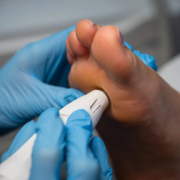
  • How It Works: The SWIFT device delivers a highly controlled, low-dose burst of microwave energy directly into the affected tissue. This energy generates a brief burst of friction and heat, which effectively “uncloaks” the HPV virus.
  • The Result: Once the virus is exposed, your body’s own immune system suddenly recognizes the intruder. Your immune system attacks the virus, naturally clearing the wart from the inside out.

Why Active Patients Choose SWIFT

SWIFT has completely changed the landscape of podiatric dermatology. Here is why it is our preferred treatment for plantar warts:

  • Low Recurrence: Because SWIFT activates your immune system to eradicate the virus entirely, the chances of the wart returning are less than 1%.
  • Zero Downtime: There is no cutting, no freezing, and no tissue destruction. You walk in, get treated, and can go straight back to the gym or to work immediately.
  • No Bandaging or Home Care: Say goodbye to daily wound care. Because the skin remains intact, you do not need to keep the area dry or change dressings.
  • Fewer Pain Points: The application lasts only 2 to 3 seconds. You may feel a brief, warm sensation (like a quick injection), but the discomfort disappears instantly when the probe is removed.

Stop Guessing and Start Healing

You shouldn’t have to limp through your day or endure painful blisters to get rid of a wart. If you are dealing with stubborn plantar warts, we have the modern solution you need.

Consult with Board-certified podiatrist Dr. Naghmeh Lilly Khavari, a knowledgeable professional who is dedicated to her patients in Denton, Dallas, and Collin Counties. Dr. Khavari treats a wide range of conditions, from ingrown toenails to foot and ankle injuries. Call Carrollton Foot Center’s office (located in Carrollton, Texas) at (469)-998-3668 to schedule your first appointment today!
foot injection

Say Goodbye to Chronic Heel Pain with Stem Cell Therapy

Imagine waking up and looking forward to your first step of the day. For many of you suffering from chronic plantar fasciitis, that sounds like a dream. You’ve probably spent months (or years) rolling your foot on a frozen water bottle or wearing those bulky night splints, only to find the discomfort returns the moment you start your day.

Dr. Naghmeh Lilly Khavari feels your pain and wants to tell you about a potential solution that doesn’t include surgery: regenerative stem cell therapy. Let’s unpack how this advanced conservative treatment option takes amniotic fluid (yes, derived from births) to make your feet feel better than ever.

How Amniotic Fluid Heals Plantar Fasciitis

How exactly can a fluid associated with pregnancy help your feet? Amniotic fluid is packed with growth factors, cytokines, and hyaluronic acid. When these are injected into your damaged plantar fascia, they signal your body to reduce inflammation and actually rebuild the degenerated tissue.

This is a regenerative approach that focuses on long-term structural repair. And, because the fluid is ethically collected from consenting donors during scheduled C-sections, it is a safe and highly concentrated serum designed by nature to support rapid tissue growth.

Stem Cell Therapy is Non-Invasive

One of the biggest reasons you might prefer amniotic fluid over other regenerative therapies is the lack of a second procedure site.

In older versions of stem cell therapy, a doctor would have to drill into your hip bone or perform a mini liposuction to get the cells they needed. With amniotic fluid injections, that entire painful step is eliminated. The fluid arrives at our clinic in a sterile, concentrated vial, ready for use.

What to Expect During Your Stem Cell Injection Procedure

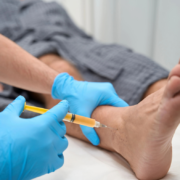
The actual process is incredibly straightforward and usually takes less than fifteen minutes. Dr. Khavari will use an ultrasound machine to get a clear view of the damaged area in your heel, and once the exact spot is identified, the amniotic fluid is injected directly into the site of the injury.

Most of you will feel nothing more than a quick pinch and a bit of pressure. And because there is no major surgery involved, you can typically walk right out of the office and head home.

Recovery from Stem Cell Therapy for Heel Pain

While you won’t see an overnight miracle, the internal changes start happening immediately. You might experience some mild soreness for a few days as your body reacts to the new growth factors, but this is a normal part of the regenerative process!

Over the next four to six weeks, you’ll likely notice a huge reduction in your daily pain levels. Most patients in 2026 report that the chronic, dull ache of plantar fasciitis begins to fade as the tissue becomes stronger and more flexible.

If that recovery outlook for stem cell therapy sounds promising to you, we’d love to hear from you!

Consult with Board-certified podiatrist Dr. Naghmeh Lilly Khavari, a knowledgeable professional who is dedicated to her patients in Denton, Dallas, and Collin Counties. Dr. Khavari treats a wide range of conditions, from ingrown toenails to foot and ankle injuries. Call Carrollton Foot Center’s office (located in Carrollton, Texas) at (469)-998-3668 to schedule your first appointment today!

Lapiplasty 3D Bunion Correction

Lapiplasty Bunion Surgery: Your Top Questions Answered

If you have been living with a bunion, you might have considered surgery to get back to normal foot function. Well, we at Carrollton Foot Center have just the solution for you: Lapiplasty. Our Lapiplasty 3D Bunion Correction is a modern alternative to your traditional bunionectomy, and if you’ve heard of it, you likely have a few questions before you decide to take the leap. Here is everything you need to know about Lapiplasty, from what it is to how long the procedure takes.

What Exactly Is Lapiplasty 3D Bunion Correction?

Traditional bunion surgery often involves just cutting the bone to get rid of the bump, which is a bit like mowing a weed without pulling the root. Lapiplasty is different because it addresses the actual cause of the bunion: an unstable joint in the middle of your foot that has rotated out of alignment.

During the procedure, Dr. Khavari uses specialized instruments to rotate the entire bone back into its natural, 3D position. Once the bone is straight, it is secured with small, titanium plates.

This fixes the foundation of your foot rather than just shaving off the surface, which significantly reduces the chance of the bunion ever coming back.

Will I Be Able to Walk After the Procedure?

This is the most common concern for active people. One of the biggest benefits of the Lapiplasty technique is the accelerated recovery timeline. Because the titanium plates provide such a stable internal brace, most patients are back in a walking boot within days, not weeks.

While you still need to be careful and follow your postoperative instructions, you generally do not have to worry about the six to eight weeks of non-weight-bearing cast that often comes with older surgical methods.

How Long Does Lapiplasty Take?

Lapiplasty is typically performed as an outpatient procedure, meaning you get to go home the same day. The surgery itself usually takes about an hour per foot. You will be under anesthesia to ensure you are comfortable, and because the incisions are precise, the localized swelling is often more manageable than with traditional open bone-cutting surgeries.

Is Lapiplasty Better Than Traditional Surgery?

For many patients, the answer is a resounding yes. Bunionectomy surgery has a higher recurrence rate because it does not stop the bone from rotating back out of place.

Lapiplasty is designed to be a permanent fix. If you have a job that keeps you on your feet or you enjoy high-impact sports, the structural stability of a 3D correction is a massive advantage.

Consult with Board-certified podiatrist Dr. Naghmeh Lilly Khavari, a knowledgeable professional who is dedicated to her patients in Denton, Dallas, and Collin Counties. Dr. Khavari treats a wide range of conditions, from ingrown toenails to foot and ankle injuries. Call Carrollton Foot Center’s office (located in Carrollton, Texas) at (469)-998-3668 to schedule your first appointment today!
5 Foot Signs That Usually Don’t Mean Heart Trouble

During American Heart Month, it’s typical to read a lot of fear-mongering misinformation online and get scared. However, we at  Carrollton Foot Center are here to set the heart’s record straight. If you notice any of these signs in your feet, your cardiovascular system is most likely fine, contrary to what you might have thought.

1. Burning or Tingling in One Foot

While poor circulation can cause a dull ache, a sharp burning sensation in your feet, especially if it’s only in one foot, is rarely a heart issue. Instead, this usually points to a nerve problem. You might have a pinched nerve in your back (sciatica) or a localized issue like Morton’s neuroma, which is a thickening of the tissue around the nerves leading to your toes. If it feels like an electric shock, it’s likely a nerve, not a heart problem.

2. Cold Feet Only After It Rains or Snows

If your feet are icy cold 24/7, even in a warm room, you might check your circulation. But if your feet only feel cold after you’ve been out in the slush, it’s likely an environmental or footwear issue. Many waterproof boots lose their seal over time. If moisture is getting in, your feet will freeze regardless of how strong your heart is. If they warm up quickly once you’re inside, your heart is doing its job just fine.

3. A Painful Knot in Your Arch

If you feel a sharp pain in your arch the second you step out of bed, your mind might jump to a blood clot or arterial blockage. However, this is the classic signature of plantar fasciitis.

This is a mechanical issue where the thick band of tissue supporting your arch becomes inflamed. It’s about how you walk and the shoes you wear, not how your heart is pumping.

4. Swelling in Only One Ankle

We often hear that swollen ankles mean heart failure. However, heart-related swelling is almost always bilateral, meaning it happens in both feet at the same time.

If only your left ankle is puffy while your right one looks normal, you are likely looking at a local issue like a minor sprain, a bug bite, or a localized vein problem rather than a failing heart.

5. Sudden Yellowing of the Toenails

If your toenails are turning yellow and getting thick, you might worry about oxygen levels. In reality, 90% of the time, this is simply a fungal infection.

Fungus loves the damp environment of winter boots. While it’s a nuisance, it’s a localized skin and nail issue, not a sign that your heart is struggling to deliver nutrients.

Always check with a trusted podiatrist to be 100% sure!

Consult with Board-certified podiatrist Dr. Naghmeh Lilly Khavari, a knowledgeable professional who is dedicated to her patients in Denton, Dallas, and Collin Counties. Dr. Khavari treats a wide range of conditions, from ingrown toenails to foot and ankle injuries. Call Carrollton Foot Center’s office (located in Carrollton, Texas) at (469)-998-3668 to schedule your first appointment today!

bottom of foot

What Leneva Fat Pad Replacement Can Do for Your Feet

Nature designed the human foot with a brilliant built-in shock absorber: the plantar fat pad. However, due to aging, genetics, or years of high-impact activity, that fat pad can wear away. And when it thins out, it feels like walking directly on bone.

Enter Leneva Fat Pad Replacement. This isn’t just a temporary filler or a cortisone shot, but a regenerative solution designed to literally replace the cushioning tissue that time has taken away. Dr. Naghmeh Lilly Khavari relies on Leneva Fat Pad Replacement to treat a variety of foot problems. Here is how this restoration process works and the specific conditions it treats.

Understanding Fat Pad Replacement

Unlike synthetic fillers used in cosmetic procedures, Leneva is an allograft adipose matrix. Think of it as a natural honeycomb scaffold derived from sterile fat tissue. When placed into the foot, it acts as a framework that produces its own fat cells.

The result is not a foreign object, but a restoration of the patient’s own natural fat pad. It essentially gives the foot a do-over on its natural cushioning.

Treating Fat Pad Atrophy

The primary use for this technology is treating fat pad atrophy. Patients with this condition often describe the sensation of walking on marbles or feeling deep, bruising pain in their heels or the balls of their feet.

By performing a fat pad replacement, the volume is restored. This puts a functional pillow back between the skin and the bone, relieves that bone-on-ground pain, and allows for comfortable walking again.

Eliminating Pressure Points

Fat pad replacement is also a powerful tool for dealing with chronic corns and calluses. These hard spots form because a bone inside the foot is pressing relentlessly against the skin from the inside.

Trimming the skin only helps temporarily because the pressure remains. But Leneva allows for internal offloading. By replacing the fat layer between the bony prominence and the skin, the pressure is dissipated. With the friction gone, the painful corn or callus often stops forming entirely.

Protecting the Diabetic Foot

For people managing diabetes, pressure points are dangerous precursors to ulcers. A specific area of high pressure can cause the skin to break down.

Fat pad replacement creates a protective buffer in these high-risk zones by restoring the cushion. Then, the risk of tissue breakdown is significantly reduced.

Relief for High-Impact Pain

Leneva Fat Pad Replacement is also excellent for pain in the ball of the foot. Whether caused by the anatomy of the foot or years of running, thinning fat in the forefoot causes burning pain. Replacing these pads provides the shock absorption necessary to return to activity without the burn.

Consult with Board-certified podiatrist Dr. Naghmeh Lilly Khavari, a knowledgeable professional who is dedicated to her patients in Denton, Dallas, and Collin Counties. Dr. Khavari treats a wide range of conditions, from ingrown toenails to foot and ankle injuries. Call Carrollton Foot Center’s office (located in Carrollton, Texas) at (469)-998-3668 to schedule your first appointment today!
5 Subtle Warning Signs of Foot Conditions You Shouldn’t Ignore

If we at Carrollton Foot Center know one thing about feet, it’s that they are great barometers of our health. But while a dramatic ankle sprain or a painful ingrown toenail sends a clear message, many foot and ankle conditions begin with subtle, easily missed warning signs. In this blog post, we’ll help you tune your ear to your feet and listen to specific symptoms you shouldn’t dismiss.

That Lingering Ache

If your feet and ankles consistently ache after a normal day of activity, don’t just chalk it up to a long day or being on your feet. A lingering, dull pain that doesn’t disappear with a night’s rest could be an early signal of plantar fasciitis, a stress fracture, or even developing arthritis. While muscle soreness is normal, a sharp or specific ache in a joint or bone is a sign that a particular structure is under too much stress and needs attention.

Numbness and Tingling

A sudden tingling or numbness in your feet is often just a temporary nerve compression from sitting in an awkward position. But if you experience persistent or recurring sensations like pins and needles, or if your feet feel numb without an obvious cause, it’s a definite red flag.

These sensations can be an early sign of peripheral neuropathy, which is a common complication of diabetes. It can also be a symptom of a pinched nerve in your back, or a condition like tarsal tunnel syndrome in your ankle, where a nerve is being compressed. While these aren’t guarantees, it’s important to get them checked sooner rather than later.

Skin, Nail, and Hair Changes

If you notice your feet are consistently cool to the touch, or if the skin on your legs and feet appears unusually shiny, pale, or bluish, it could be a sign of Peripheral Artery Disease and poor circulation.

Similarly, thinning or hair loss on your toes, or toenails that are growing very slowly and have become brittle or discolored, can also be signs that your feet aren’t getting the healthy blood flow they need.

Uneven Shoe Wear

Take a look at the soles of your shoes. If one shoe is wearing down much faster than the other, or if a specific part of the sole is wearing down excessively, it’s a strong indicator of a gait abnormality. This means you might be walking in a way that puts abnormal stress on your feet. And no, not all walking issues are apparent! Biomechanical problems can be subtle, and they’re not just a shoe issue; they need correction, or else they can lead to secondary injuries.

Recurrent Ankle Instability

Believe it or not, that’s exactly what it’s called: chronic ankle instability. If you’ve had a bad ankle sprain in the past and always feel like you’re on the verge of another one, that’s a clear sign of chronic ankle instability. This isn’t just a weakness; it means the ligaments literally haven’t healed properly.

Consult with Board-certified podiatrist Dr. Naghmeh Lilly Khavari, a knowledgeable professional who is dedicated to her patients in Denton, Dallas, and Collin Counties. Dr. Khavari treats a wide range of conditions, from ingrown toenails to foot and ankle injuries. Call Carrollton Foot Center’s office (located in Carrollton, Texas) at (469)-998-3668 to schedule your first appointment today!
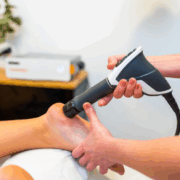
Someone performing shockwave therapy on a foot as a person is laying down

Debunking Common Myths About Shockwave Therapy

If you’ve been battling persistent foot or ankle pain that just won’t quit, you might have heard about Radial Pulse Shockwave Therapy. We at Carrollton Foot Center swear by it for the treatment of many foot and ankle conditions. But as with any innovative medical technology, there tend to be a lot of misconceptions. So in this article, we’re giving you our honest insight into how shockwave therapy actually works. What’s true and not true? Keep reading to find out.

Myth 1: RSWT is a Painful and Invasive Procedure

This is a common concern, but RSWT is actually a minimally invasive, in-office procedure. The treatment uses a small device to send harmless, low-energy waves to your skin. While patients typically feel a brief, quick pulsing or tapping sensation, the discomfort is generally well-tolerated and short-lived. There is no need for anesthesia, no incisions, and no downtime. You can walk out of the office and go on about your day.

Myth 2: RSWT is Just a “Freeze” Treatment or Basic Ultrasound

RSWT is completely different from cryotherapy and ultrasound. Cryotherapy relies on extreme cold to numb and reduce inflammation, whereas ultrasound uses sound waves to create heat deep within the tissues.

Shockwave therapy, however, uses radial pressure waves to stimulate a natural healing response in the body. How? By increasing blood circulation, breaking up scar tissue, and essentially resetting the healing process in chronic conditions that have stalled.

Myth 3: You Only Need One Session to Be Cured

Radial Pulse Shockwave Therapy is not a one-and-done solution. A series of treatments (typically 3-5 sessions, spaced a week apart) is standard protocol for most chronic conditions.

While you might feel some relief after the first session, the cumulative effect of the treatments is what truly drives long-term healing.

Myth 4: RSWT is Only for Heel Pain

While RSWT is known for fighting against plantar fasciitis, its use is much broader. In fact, it’s effective for various chronic soft tissue injuries like Achilles tendonitis, shin splints, and even pain from Morton’s neuroma. Any condition rooted in chronic inflammation, scar tissue, or poor blood flow can potentially benefit from RSWT.

Myth 5: RSWT is a Miracle Cure for Everyone

But despite this versatile range of conditions, shockwave therapy isn’t for everyone. Plus, no medical treatment can offer a 100% guarantee for every single patient. Its success depends on many factors, including your overall health, the severity and duration of your injury, and how well you follow post-treatment care.

Consult with Board-certified podiatrist Dr. Naghmeh Lilly Khavari, a knowledgeable professional who is dedicated to her patients in Denton, Dallas, and Collin Counties. Dr. Khavari treats a wide range of conditions, from ingrown toenails to foot and ankle injuries. Call Carrollton Foot Center’s office (located in Carrollton, Texas) at (469)-998-3668 to schedule your first appointment today!

The Signs of Heart Issues Your Feet Are Showing

Our hearts are happy for American Heart Month! This February, we at Carrollton Foot Center are prioritizing cardiovascular health and raising awareness about heart disease. In this article, we’ll be explaining the heart and foot connection, sharing with you the signs of heart problems you can detect simply by looking down.

Foot Problems That May Signal Heart Issues

Certain foot appearances and symptoms can indicate a heart problem. These include:

  • Swelling: The heart may struggle to pump blood effectively, which can cause fluid to accumulate in the extremities.
  • Leg Pain: Pain or cramping in the legs and feet, especially during activity, can indicate peripheral artery disease, which we discussed in a recent blog.
  • Skin Changes: Changes in skin color or temperature, such as pale or bluish feet, can explain poor circulation that is potentially linked to heart disease or diabetes.
  • Sores that Don’t Heal: Slow-healing wounds or ulcers on the feet can be a sign of diabetes and inadequate circulation, both of which are risk factors for heart disease.
  • Tingling and Numbness: Peripheral neuropathy can occur due to diabetes or circulation issues associated with heart disease.
  • Decreased Sensation: Reduced blood flow to the feet can impair nerve function. This makes it harder to feel injuries or changes in temperature, thereby increasing the risk of foot ulcers and infections.
  • Increased Risk of Infections: Sometimes, heart problems can slow down wound healing and make the feet more susceptible to infections.

The Importance of Foot Care for Heart Health

Beyond foot checks for the aforementioned signs, if you have any existing conditions like diabetes or high blood pressure, it’s important to manage them effectively.

Also, stay active with regular exercise to improve heart fitness and benefit your feet. And lastly, don’t hesitate to seek professional help from a podiatrist if you notice any concerning changes in your feet or have any persistent foot problems.

Consult with Board-certified podiatrist Dr. Naghmeh Lilly Khavari, a knowledgeable professional who is dedicated to her patients in Denton, Dallas, and Collins Counties. Dr. Khavari treats a wide range of conditions, from ingrown toenails to foot and ankle injuries. Call Carrollton Foot Center’s office (located in Carrollton, Texas) at (469)-998-3668 to schedule your first appointment today!
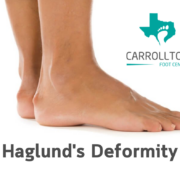
Haglund’s Deformity: Debunking the Bony Bump

What is that odd-looking bump near the back of your heel? It could be Haglund’s deformity, often referred to as “pump bump,” which is a bony enlargement located where the Achilles tendon attaches. This prominent bone can cause significant discomfort and irritation, especially when wearing shoes.

Luckily, we at Carrollton Foot Center are here to debunk the bony bump and offer expert insight into all things Haglund’s Deformity. Let’s take a look.

Causes of Haglund’s Deformity

While the exact cause is often unclear, several factors contribute to the development of Haglund’s Deformity. These include:

  • Foot structure: Individuals with high arches or flat feet may be more susceptible.
  • Shoe gear: Wearing shoes with rigid backs, such as high heels or tight-fitting footwear, can exacerbate the condition.
  • Overuse: Repetitive activities that put stress on the heel, like running or dancing, may contribute to the bony growth.
  • Achilles tendon tightness: A stiff Achilles tendon can pull on the heel bone, contributing to the deformity.

Symptoms of Haglund’s Deformity

Individuals with Haglund’s deformity often experience pain and inflammation at the back of the heel, which can worsen with shoe friction. The affected area may also become red, swollen, or blistered.

Prevention

While there’s no guaranteed way to prevent Haglund’s deformity, certain measures can help reduce the risk:

  • Proper footwear: Choose shoes that fit well and provide adequate cushioning. Avoid tight-fitting shoes or those with hard backs, and regularly replace worn out shoes.
  • Stretching exercises: Incorporate calf stretches into your daily routine to maintain flexibility.
  • Orthotics: Custom orthotics can help distribute pressure and alleviate discomfort.
  • Weight management: Maintaining a healthy weight can reduce overall stress on the foot and heel.

Treatment

Treatment for Haglund’s deformity focuses on pain relief and inflammation reduction. Non-surgical options include over-the-counter pain relievers, shoe modifications, and physical therapy. For severe cases, cortisone injections or surgery may be considered.

Depending on the severity of your bump, consult with your podiatrist to see which treatment option is the best for you.

Board-certified podiatrist Dr. Naghmeh Lilly Khavari is dedicated to her clients in Carrollton, TX. From ingrown toenails to innovative surgical solutions, she offers a vast array of treatments. Contact Carrollton Foot Center’s office at 469-998-3668 to book an appointment now!

Staying Safe at the Salon: 5 Pros and Cons of Pedicures

Many of us can benefit from an occasional pedicure’s ability to reduce inflammation, improve sensation in the feet, and promote healing. However, we at Carrollton Foot Center want you to know that pedicures can also be dangerous, especially for those with diabetes, peripheral neuropathy, and weakened immune systems.

In this article, we’ll weigh both sides of the bathtub, from improved circulation to possible infection, to help you determine if pedicures are right for you.

The Pros and Cons

Pro: Improved Circulation

The massage techniques used by nail technicians stimulate blood flow in the feet and ankles.

Con: Infection

This massaging effect may not stimulate sensation in diabetics or those with peripheral nerve damage, meaning they are still susceptible to wounds from pedicure techniques.

Pro: Early Detection

Trained pedicurists can identify signs of potential problems like calluses and ingrown toenails.

Con: Inexperience

Untrained technicians may not notice the signs of a problem that a podiatrist can, leaving you with a false sense of security and confidence in your feet.

Pro: Exfoliation and Skin Health

Pedicures remove dead skin layers that lead to dryness, roughness, and cracking.

Con: Cuts and Abrasions

Even minor nicks from tools or buffing the cuticle can become entry points for infection, especially for diabetics with decreased circulation.

Pro: Improved Toe Health

Regular trimming and filing during a pedicure helps maintain proper toenail shape and generally prevents ingrown toenails.

Con: Ingrown Toenails

However, improper and aggressive trimming techniques can increase the risk of ingrown toenails and fungal nail infections.

Pro: Maintaining Good Foot Hygiene

The soaking, cleansing, and drying process removes dirt, sweat, and bacteria that can accumulate on the feet.

Con: Harsh and Unsanitary Tools

Improperly sterilized tools can spread bacteria or fungus. Some salons may also use strong chemicals in foot soaks or polishes that can irritate the skin, leading to allergic reactions or rashes.

Consult with Board-certified podiatrist Dr. Naghmeh Lilly Khavari, an esteemed expert who is dedicated to her patients in Denton, Dallas, and Collins Counties. She helps with a wide breadth of issues, from ingrown toenails to diabetic neuropathy. Call Carrollton Foot Center’s office (located in Carrollton, Texas) at (469)-998-3668 to schedule your initial appointment today!

Call Now ButtonCall Now!