
What Your Feet Reveal About Your Thyroid Health
While many people associate thyroid issues with fatigue or weight changes, Carrollton Foot Center is here to tell you that your feet provide early warnings of an under or overactive thyroid. It’s National Thyroid Awareness Month, so let’s jump into the signs that can help you identify a potential hormonal imbalance.
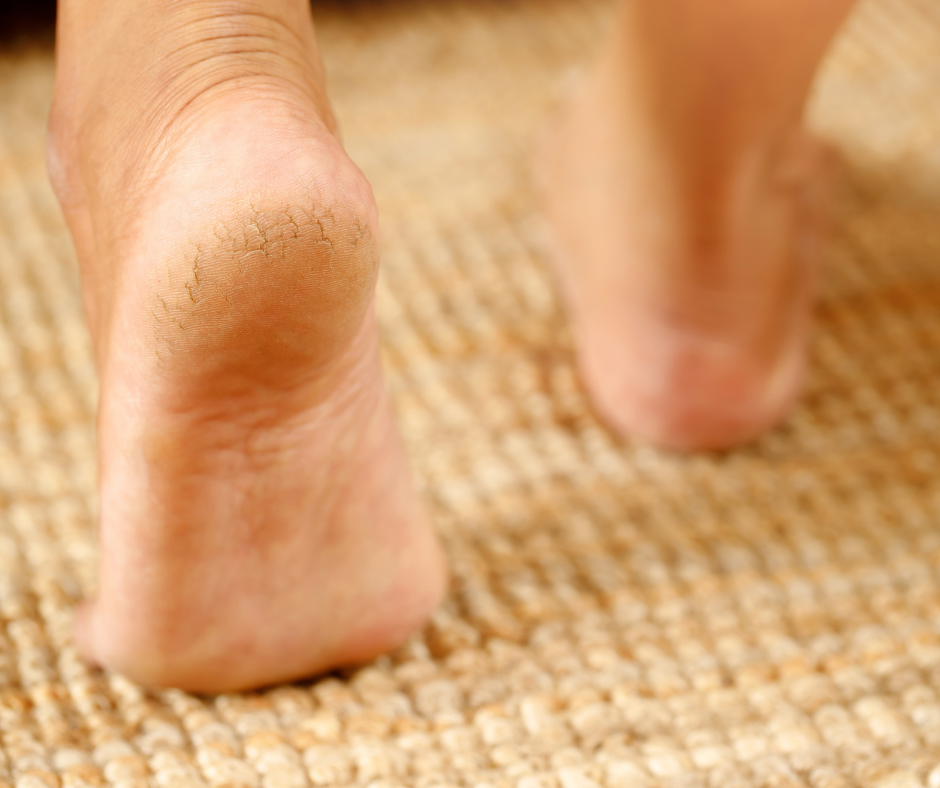
Chronic Dryness and Cracked Heels
One of the most common signs of hypothyroidism, or an underactive thyroid, is severely dry and cracked skin. When the thyroid does not produce enough hormones, the metabolism slows down and reduces sweat and oil production.
This lack of natural moisture often leads to deep, painful fissures on the heels and a leathery texture on the soles of the feet. Unlike standard dry skin, thyroid-related dryness typically persists even after the frequent application of high-quality moisturizers.
Temperature Regulation and Circulation
If you find that your feet remain icy cold even in a warm room or under heavy blankets, it may be a sign of low thyroid function. An underactive thyroid can lead to decreased circulation. In some cases, this poor circulation can cause a yellowish tint on the soles of the feet, a condition known as carotenemia, which occurs because the body is struggling to convert carotene into vitamin A.
Swelling and Fluid Retention
Swelling and fluid retention are also closely linked to thyroid health. Patients with hypothyroidism often experience puffy feet and ankles due to a buildup of fluid in the tissues.
As well, those with Graves disease may develop a rare skin condition that causes the skin on the lower legs and feet to become thick, red, swollen, and to have an orange-peel texture.
Nerve Pain and Brittle Nails
Thyroid disorders can also impact the nerves and muscles in the legs and feet, which manifests as tingling or numbness in the toes and soles, a burning sensation that worsens at night, and frequent muscle cramps.
Your nails can also provide clues, because thyroid issues often cause toenails to become brittle, slow-growing, or prone to fungal infections.
Why Podiatry for Thyroid Health
If you notice these changes, a visit to a podiatrist is a great first step. While we treat the immediate discomfort in your feet, we also look for these systemic red flags and can coordinate with your primary care physician for necessary blood work.
Consult with Board-certified podiatrist Dr. Naghmeh Lilly Khavari, a knowledgeable professional who is dedicated to her patients in Denton, Dallas, and Collin Counties. Dr. Khavari treats a wide range of conditions, from ingrown toenails to foot and ankle injuries. Call Carrollton Foot Center’s office (located in Carrollton, Texas) at (469)-998-3668 to schedule your first appointment today!









Leave a Reply
Want to join the discussion?Feel free to contribute!