
fbpx

Posts

bottom of foot

What Leneva Fat Pad Replacement Can Do for Your Feet

Nature designed the human foot with a brilliant built-in shock absorber: the plantar fat pad. However, due to aging, genetics, or years of high-impact activity, that fat pad can wear away. And when it thins out, it feels like walking directly on bone.

Enter Leneva Fat Pad Replacement. This isn’t just a temporary filler or a cortisone shot, but a regenerative solution designed to literally replace the cushioning tissue that time has taken away. Dr. Naghmeh Lilly Khavari relies on Leneva Fat Pad Replacement to treat a variety of foot problems. Here is how this restoration process works and the specific conditions it treats.

Understanding Fat Pad Replacement

Unlike synthetic fillers used in cosmetic procedures, Leneva is an allograft adipose matrix. Think of it as a natural honeycomb scaffold derived from sterile fat tissue. When placed into the foot, it acts as a framework that produces its own fat cells.

The result is not a foreign object, but a restoration of the patient’s own natural fat pad. It essentially gives the foot a do-over on its natural cushioning.

Treating Fat Pad Atrophy

The primary use for this technology is treating fat pad atrophy. Patients with this condition often describe the sensation of walking on marbles or feeling deep, bruising pain in their heels or the balls of their feet.

By performing a fat pad replacement, the volume is restored. This puts a functional pillow back between the skin and the bone, relieves that bone-on-ground pain, and allows for comfortable walking again.

Eliminating Pressure Points

Fat pad replacement is also a powerful tool for dealing with chronic corns and calluses. These hard spots form because a bone inside the foot is pressing relentlessly against the skin from the inside.

Trimming the skin only helps temporarily because the pressure remains. But Leneva allows for internal offloading. By replacing the fat layer between the bony prominence and the skin, the pressure is dissipated. With the friction gone, the painful corn or callus often stops forming entirely.

Protecting the Diabetic Foot

For people managing diabetes, pressure points are dangerous precursors to ulcers. A specific area of high pressure can cause the skin to break down.

Fat pad replacement creates a protective buffer in these high-risk zones by restoring the cushion. Then, the risk of tissue breakdown is significantly reduced.

Relief for High-Impact Pain

Leneva Fat Pad Replacement is also excellent for pain in the ball of the foot. Whether caused by the anatomy of the foot or years of running, thinning fat in the forefoot causes burning pain. Replacing these pads provides the shock absorption necessary to return to activity without the burn.

Consult with Board-certified podiatrist Dr. Naghmeh Lilly Khavari, a knowledgeable professional who is dedicated to her patients in Denton, Dallas, and Collin Counties. Dr. Khavari treats a wide range of conditions, from ingrown toenails to foot and ankle injuries. Call Carrollton Foot Center’s office (located in Carrollton, Texas) at (469)-998-3668 to schedule your first appointment today!
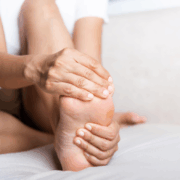

Is My Foot Lying to Me? Phantom Feelings from Nerve Damage

Ever feel a weird burning, crawling, or pinching in your foot and swear your sock is bunched up, only to find nothing there? Dr. Naghmeh Lilly Khavari hears reports of these phantom sensations all the time, and they are often the clearest sign of neuropathy, which is a condition that affects how the nerves communicate. Let’s discuss some of the most common sensations in detail.

Common Symptoms of Nerve Damage in the Feet

Your nerves are like the body’s wiring system. When they get damaged, compressed, or irritated by conditions like diabetes, tarsal tunnel syndrome, or a neuroma, they start to short-circuit.

Here are some of the weirdest and most common phantom sensations your feet might experience:

The Stuck Pebble Sensation

  • What it feels like: You constantly feel like you are standing on a marble, a small rock, or a wrinkled sock, usually right under the ball of your foot between your toes.
  • The reality: There’s nothing actually there. This feeling is caused by a Morton’s neuroma, which is a thickening of nerve tissue, and makes the nerve itself take up space and feel like a foreign object when compressed.

Pins and Needles

  • What it feels like: A crawling, prickling, or stinging sensation, like a thousand tiny needles that comes on for no reason.
  • The reality: This is paresthesia, and it means the nerve signals are going haywire, often caused by minor nerve compression or early-stage neuropathy.

The Burning/Icy Effect

  • What it feels like: Your feet feel intensely hot, as if they are perpetually on fire or submerged in scalding water, or sometimes they feel intensely icy and cold.
  • The reality: This is a classic sign of neuropathic pain. The damaged nerves are wrongly interpreting temperature signals.

The Itch You Can’t Scratch

  • What it feels like: An intense, sometimes debilitating itching sensation, often deep inside the skin or muscles, that you can’t scratch away with any relief.
  • The reality: There is no rash or external cause. This happens when damaged nerves misfire, and your brain translates the abnormal signal into an unrelenting itch.

Extreme Sensitivity

  • What it feels like: Normally, non-painful stimuli become excruciating. The slight brush of a pant leg can feel agonizing.
  • The reality: This is called allodynia. Pain receptors become severely oversensitive.

The Muscle Jump

  • What it feels like: You might notice subtle, spontaneous, quick twitching in the muscles of your foot or calf, even when you’re resting.
  • The reality: This is fasciculation, which is minor, involuntary muscle contractions often associated with nerve irritation or damage.

Disclaimer: We’ve all had these sensations from time to time. But if you are experiencing many of these in tandem frequently, it could be a sign of neuropathy. Visit us for a consultation!

Consult with Board-certified podiatrist Dr. Naghmeh Lilly Khavari, a knowledgeable professional who is dedicated to her patients in Denton, Dallas, and Collin Counties. Dr. Khavari treats a wide range of conditions, from ingrown toenails to foot and ankle injuries. Call Carrollton Foot Center’s office (located in Carrollton, Texas) at (469)-998-3668 to schedule your first appointment today!
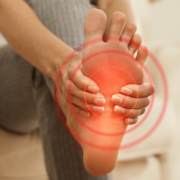
Cycling and Your Foot and Ankle Health

Did you know that May is National Cycling Month? Before you get out there on your bike, we at Carrollton Foot Center want to inform you of the upsides and downsides of cycling. In this article, we’ll stroll through the surprising relationship between your feet and this low-impact exercise, including the potential injuries you can sustain that most beginner cyclists don’t know about.

How Cycling Can Benefit Your Feet

One of the primary benefits of cycling for the lower extremities is improved circulation. The rhythmic pedaling action helps to pump blood through the muscles of your legs and feet. This can be advantageous for diabetics, people with ankle swelling, or those who spend long hours standing.

Since the circular motion of pedaling encourages a fluid movement in the ankle, cycling can also contribute to an increased range of motion in the ankle joint. While not as extensive as the range of motion during walking or running, this movement can be beneficial for overall joint health.

Many people think cycling is just for the thighs and glutes, however, cycling can indirectly strengthen the muscles surrounding the ankles and feet as they work to stabilize your position on the pedals.

Negative Impacts of Cycling on Your Feet

Despite its low-impact nature, cycling can negatively affect the feet and ankles if proper precautions aren’t taken. The repetitive motion of pedaling (while generally smooth) can lead to overuse injuries if training intensity or duration is increased too quickly.

Do you have neurological issues? While cycling can improve circulation, beware of certain pressure points from the pedals and tight-fitting cycling shoes. Both can compress nerves and blood vessels in the feet, which may not be a good match for these sensitive areas.

For everyone involved, improperly fitted cleats or an incorrect bike setup can also force the feet and ankles into unnatural positions and cause strain.

Common Foot and Ankle Injuries in Cycling

If you’re a cyclist, you should also look out for these common conditions:

  • Metatarsalgia: Pain and inflammation in the ball of the foot due to pressure on the metatarsals.
  • Achilles tendonitis: Inflammation of the Achilles tendon, often linked to improper saddle height or cleat position.
  • Plantar fasciitis: Heel pain that can be aggravated by excessive pedaling or improper foot support within the shoe.
  • Sesamoiditis: Inflammation of the small bones under the big toe joint, potentially caused by increased pressure during the pedal stroke.

Cycling and Your Feet

So, what’s the verdict? It depends on your lifestyle and preexisting foot and ankle health status. However, for non-sensitive people who take the proper steps to cycle safely, this is still a relatively low-impact exercise compared to running.

Consult with Board-certified podiatrist Dr. Naghmeh Lilly Khavari, a knowledgeable professional who is dedicated to her patients in Denton, Dallas, and Collins Counties. Dr. Khavari treats a wide range of conditions, from ingrown toenails to foot and ankle injuries. Call Carrollton Foot Center’s office (located in Carrollton, Texas) at (469)-998-3668 to schedule your first appointment today!
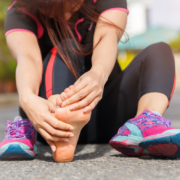
The Signs of Heart Issues Your Feet Are Showing

Our hearts are happy for American Heart Month! This February, we at Carrollton Foot Center are prioritizing cardiovascular health and raising awareness about heart disease. In this article, we’ll be explaining the heart and foot connection, sharing with you the signs of heart problems you can detect simply by looking down.

Foot Problems That May Signal Heart Issues

Certain foot appearances and symptoms can indicate a heart problem. These include:

  • Swelling: The heart may struggle to pump blood effectively, which can cause fluid to accumulate in the extremities.
  • Leg Pain: Pain or cramping in the legs and feet, especially during activity, can indicate peripheral artery disease, which we discussed in a recent blog.
  • Skin Changes: Changes in skin color or temperature, such as pale or bluish feet, can explain poor circulation that is potentially linked to heart disease or diabetes.
  • Sores that Don’t Heal: Slow-healing wounds or ulcers on the feet can be a sign of diabetes and inadequate circulation, both of which are risk factors for heart disease.
  • Tingling and Numbness: Peripheral neuropathy can occur due to diabetes or circulation issues associated with heart disease.
  • Decreased Sensation: Reduced blood flow to the feet can impair nerve function. This makes it harder to feel injuries or changes in temperature, thereby increasing the risk of foot ulcers and infections.
  • Increased Risk of Infections: Sometimes, heart problems can slow down wound healing and make the feet more susceptible to infections.

The Importance of Foot Care for Heart Health

Beyond foot checks for the aforementioned signs, if you have any existing conditions like diabetes or high blood pressure, it’s important to manage them effectively.

Also, stay active with regular exercise to improve heart fitness and benefit your feet. And lastly, don’t hesitate to seek professional help from a podiatrist if you notice any concerning changes in your feet or have any persistent foot problems.

Consult with Board-certified podiatrist Dr. Naghmeh Lilly Khavari, a knowledgeable professional who is dedicated to her patients in Denton, Dallas, and Collins Counties. Dr. Khavari treats a wide range of conditions, from ingrown toenails to foot and ankle injuries. Call Carrollton Foot Center’s office (located in Carrollton, Texas) at (469)-998-3668 to schedule your first appointment today!
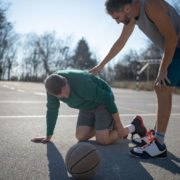
Vamp Disease: Inflammation on the Top of Your Foot

Lacing your shoes too tight might leave you with a lesser-known podiatric condition called Vamp Disease. This refers to inflammation on the top of your foot caused by irritation from the upper part of your shoe, aka the vamp.

The mechanism behind this spooky-sounding condition is essentially nerve compression from said tightness. But Halloween’s over, and we at Carrollton Foot Center aren’t here to lecture you on the science. Instead, let’s talk about causes, symptoms, and treatment.

Causes of Vamp Disease

Besides excessive shoe friction, these are other causes of Vamp Disease:

  • Improper gait: An abnormal walking pattern, such as pronation (rolling inward), can cause increased pressure on the big toe during push-off.
  • High-impact activities: Activities that involve repetitive pounding on the forefoot, like running or jumping, can increase the risk of irritation.
  • Hypermobility: Individuals with loose ligaments in the foot may experience increased strain on the tendons around the big toe.

Symptoms of Vamp Disease

Pain is the most common symptom of vamp disease, often described as a burning or aching sensation on the top of the big toe, particularly when wearing shoes or engaging in activities.

Chronic friction can also lead to the development of a thickened, hardened area of skin, known as a callus, on the top of the big toe.

Diagnosis of Vamp Disease

A podiatrist can diagnose vamp disease through a physical examination. They will assess your foot structure, gait pattern, and the location and nature of your pain. X-rays may be ordered to rule out other potential causes of pain (like a stress fracture).

Treatment of Vamp Disease

Treatment for vamp disease focuses on reducing inflammation and preventing further shoe irritation. For instance, wearing shoes with a softer, more flexible vamp or opting for wider shoes can greatly reduce pressure on the affected area.

Custom orthotics can also help redistribute pressure and improve foot biomechanics that reduce stress on the big toe.

Consult with Board-certified podiatrist Dr. Naghmeh Lilly Khavari, an esteemed professional who is dedicated to her patients in Denton, Dallas, and Collins Counties. Dr. Khavari treats a wide range of conditions, from ingrown toenails to foot and ankle injuries. Call Carrollton Foot Center’s office (located in Carrollton, Texas) at (469)-998-3668 to schedule your first appointment today!
Fouling Out: 5 Game-Stopping Basketball Foot Injuries

The NBA finals are here, which means summer leagues, AAU, and intense training sessions are upon us. We at Carrollton Foot Center understand that basketball is a fast-paced sport that demands a lot from your feet all year round.

Whether you’re a seasoned player or just starting out, learning common basketball foot injuries and proper foot care is essential for staying healthy and hitting those jumpers this summer. That’s what this blog’s about.

Common Basketball Foot Injuries

The constant jumping, stopping, and changing directions on the court carries a risk for various injuries:

  • Ankle Sprains: This is perhaps the most common basketball injury, occurring when the ligaments in your ankle overstretch or tear. It can happen due to landing awkwardly, stepping on someone’s foot, or rolling your ankle outwards. Symptoms include pain, swelling, bruising, and difficulty walking.
  • Plantar Fasciitis: This painful inflammation of the heel is often linked to repetitive stress from activities like basketball.
  • Achilles Tendonitis: Even legends such as Kobe Bryant have experienced issues with their Achilles. Overuse or tight calf muscles can irritate this tendon, causing pain and stiffness, particularly in the back of your heel and ankle.
  • Stress Fractures: These tiny cracks in the bones of your foot can develop from repetitive stress, especially in athletes who increase their training intensity too quickly.
  • Ingrown Toenails: Tight-fitting basketball shoes can put pressure on your toes, increasing the risk of ingrown toenails that dig into the surrounding skin, causing pain, redness, and swelling.

Essential Foot Care for Basketball Players

  • Invest in high-quality basketball shoes that provide adequate support, cushioning, and stability for your feet. Choose shoes specific to your playing position.
  • Regularly consulting a podiatrist can be highly beneficial, especially for athletes. They can assess your feet, identify potential problems early on, and recommend orthotics or other preventative measures.

By incorporating proper foot care practices into your routine, you can significantly reduce your risk of injuries and keep your feet healthy for optimal performance.

Consult with Board-certified podiatrist Dr. Naghmeh Lilly Khavari, a well-respected expert who is eager to assist her patients in Denton, Dallas, and Collins Counties. She treats a vast array of issues, from ingrown toenails to plantar fasciitis. Call Carrollton Foot Center’s office (located in Carrollton, Texas) at (469)-998-3668 to book your initial consultation today!

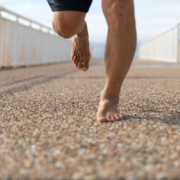
Barefoot Running: The Pleasure and the Pain

With the foot pain many of us experience from running, it’s tempting to turn to the Barefoot Running Movement for answers! However, according to the American Podiatric Medical Association, the benefits of barefoot running have never been confirmed by research. Although the movement touts upsides such as improved circulation, coordination, and strength, you should speak with our experts at Carrollton Foot Center to ensure barefoot running will be safe and effective for you.

Bare Feet Vs. Regular Shoes

According to the Barefoot Running Movement, humans have been running barefoot since ancient times. Shoes, however, are a recent creation that stunts the way you are naturally designed to move. This notion that regular running shoes are unnatural may make sense to you if your feet hurt while running. This may also explain the success of “minimalist” or “five-toed” shoes. In between bare feet and regular running kicks, minimalist shoes act as a compromise to the pros and cons of pure barefoot running.

Benefits of Barefoot Running:

  • Encourages a more natural running This can help reduce impact on your joints, shorten your strides, and increase athletic performance.
  • Promotes landing on the ball of your feet as opposed to “heel striking,” reducing the chance of injury and plantar fasciitis.
  • Strengthens the muscles in your foot that aren’t usually engaged in regular shoes. Progressively, this could correct flat feet and similar arch problems.

Downsides of Barefoot Running:

  • Increases risk of infection and skin injury. This is especially the case for diabetics, who may not have proper feeling in their feet.
  • Takes time getting acclimated to the “natural” running form. Acclimation struggles also extend to not having access to clean or safe terrain.
  • Heightens the chance of stress fractures and Achilles injuries. This is due to lack of foot support.

Ultimately, it is necessary to weigh both sides to see if barefoot running is right for you. Consult with Board-certified podiatrist Dr. Naghmeh Lilly Khavari, a well respected expert who is eager to assist her patients in Denton, Dallas, and Collins Counties. She treats a vast array of issues, from ingrown toenails to plantar fasciitis. Call Carrollton Foot Center’s office (located in Carrollton, Texas) at (469)-998-3668 to book your initial consultation today!

Hitting the Pavement Without the Pain: How Runners Can Conquer Heel Pain

Carrolton Foot Center is all in favor of regular running! It’s an incredibly beneficial form of exercise that delivers consistent benefits, boosting both physical and mental well-being. However, there’s no such thing as a free lunch, and running is no exception.

Heel pain and Achilles tendonitis are among the common costs runners must confront, and like any podiatric problem, they create serious stumbling blocks when left untreated. The blog below should help you stay fit, flexible, and focused on your goals.

Preventing Heel Pain with a Strong Foundation

You can keep heel pain from starting with some of these preventative measures.

  • Supportive Shoes: Invest in well-fitting running shoes with proper arch support and cushioning specifically designed for your running style. Replace them every 300-500 miles to maintain optimal shock absorption.
  • Stretch It Out: Regularly performing calf stretches and foot mobilizations helps maintain flexibility and range of motion, reducing stress on the heel.
  • Gradual Progression: Don’t jump into high mileage or intense training too quickly. Gradually increase distance and intensity to allow your body to adapt and strengthen.
  • Cross-Training: Mix up your routine with low-impact activities like swimming or cycling to provide recovery periods for your heels.

Managing Heel Pain: When Prevention Isn’t Enough

Sometimes, you’ll need to handle pain that’s already present, and RICE (Rest, Ice, Compression, and Elevation) isn’t always enough.

  • Custom Orthotics: Podiatrists can create custom orthotic inserts that address your specific biomechanical imbalances, providing targeted support and pressure relief to prevent conditions like plantar fasciitis and overpronation.
  • Pain Relief Options: Over-the-counter pain relievers can help manage discomfort.

Treating Persistent Heel Pain: Advanced Strategies

If pain persists despite conservative measures, your podiatrist may recommend:

  • Leneva® Fat Pad Injections: These injections replenish lost cushioning in the heel pad, promoting pain relief and tissue healing, which is particularly helpful for plantar fasciitis.

Board-certified podiatrist Dr. Naghmeh Lilly Khavari is committed to helping patients in Carrollton, TX. With advanced treatment methods, she offers assistance with everything from ingrown toenails to sophisticated surgical solutions. Contact Carrollton Foot Center’s office at 469-998-3668 to schedule an appointment today!

Stretching

The Benefits of Stretching Your Feet

Our feet do so much for us, but unfortunately, they’re often overlooked when it comes to physical health and self-care. Taking care of your feet, ankles, and toes can go such a long way. One of the best ways you can do so is by stretching your feet daily. Not only will it help with injury prevention, but it can ease any foot pain you experience and appropriately prepare you for your next workout. Let’s take a closer look!

Keep Your Feet Healthy

The average person walks 150,000 miles in their lifetime. At that rate, your feet are likely to go through some wear and tear as you age. Injuries happen, whether you take precautions or not, especially if you’re athletic. Stretching can not only help you avoid certain overuse injuries but reduce the possibility of developing conditions like plantar fasciitis and Achilles tendonitis. It also helps improve…

  • Blood circulation in your legs. This can go a long way if you have diabetes!
  • Posture
  • Muscle strength
  • Balance
  • Foot pain due to conditions like arthritis, flat foot, and heel pain

Tips and Tricks

As with anything, there’s a right and a wrong way to stretch your feet. To ensure you stay safe during your exercise and get the maximum amount of benefits, keep these tips in mind:

  • If your feet start to hurt, stop your exercise immediately
  • Focus on sore spots.
  • Start slow and easy.
  • Take your time! There’s no rush.
  • Make sure you’re stretching for at least 30 seconds at a time.
  • Repeat on both feet.

Board-certified podiatrist Dr. Naghmeh Lilly Khavari is committed to helping her clients in Carrollton, TX. She offers a wide variety of treatments from ingrown toenails to advanced surgical solutions. Contact Carrollton Foot Center’s office at 469-998-3668 to schedule an appointment today!

Eat Better AND Move More

When you think about National Nutrition Month, you may only consider which foods make it onto your plate. While it’s important to focus on adding more fruits and vegetables to your diet, one more thing plays a significant role in your nutrition: physical activity. Yes, eating well has tremendous benefits. Physical activity does, too! This month, as you introduce more healthy choices to the table, consider how helpful it is to also set aside time to exercise. 


Dr. Naghmeh Lilly Khavari of the Carrollton Foot Center knows that foot and ankle issues can sometimes be the reason for holding patients back from their favorite activities. Schedule an appointment today. ­Together, we can create a treatment plan to get you moving again. Here are three fun ways to make changes to your plate — and your physical activity plans. 


Sit less

It’s not surprising, but we are sitting down more. With the transition to a new work-from-home season, the home became our office. We sat in our chairs doing video calls, sending emails, and doing our best. Unfortunately, our jobs may have kept us in our seats longer. You may have walked to the printer more or connected with co-workers in a common space in the office. We understand that things have changed. It’s okay to make another change.


Brighten your plate

Aren’t fruits and vegetables so bright and beautiful? They certainly add more color to your plate. If you’re thinking of fun ways to create a healthful plate, start by choosing your favorite color. Is it blue, green, or yellow? It’s your choice. Then, seek out fruits and veggies that you can begin to add to your diet. You may also discover something new. 


Learn the lingo

If looking at the Nutrition Facts label is intimidating, you’re not alone. This month, check out the available resources to help you learn some common terms. Get the breakdown on cholesterol, sodium, added sugars, fiber, and more. Feel empowered when shopping or even exploring a menu at your favorite restaurant. We’re here to help, and we’re happy to connect you with other community resources. 


When is the best time to start making changes? We hope the tips above are easy to start. Here’s a quick recap:

  1. Set a timer in your day to take a walk,
  2. Seek out fruits and vegetables of your favorite color,
  3. Learn more about nutrition.

Have fun being healthy! Now.

Our board-certified podiatrist, Dr. Naghmeh Lilly Khavari, is here to help. She treats various conditions such as bunionscornscallusesdiabetic foot conditionsingrown toenailsplantar fasciitis, and more. We also offer advanced surgical solutions. Our team provides excellent service to patients in Denton, Dallas, and Collins counties. Contact our office at (469) 998-3668 for your foot and ankle solutions. Our office is at 4221 Medical Parkway, STE 450, in Carrollton, TX.

Call Now ButtonCall Now!